


Stem Cell Therapy for Knee Arthritis Treatment
Knee pain can slowly change the way a person moves through everyday life. Activities that once felt effortless, such as walking long distances, climbing stairs, or standing for extended periods, may gradually become uncomfortable. For many individuals, this persistent discomfort is often linked to Knee Arthritis, a condition that develops when the cartilage within the knee joint begins to wear down over time.
As symptoms progress, patients naturally begin searching for solutions that may help relieve pain and improve joint function. In recent years, interest has grown in regenerative approaches such as Stem Cell Therapy as a potential option within broader Knee Arthritis Treatment strategies. While traditional treatments remain important, regenerative medicine is increasingly being explored for its ability to support the body’s natural healing processes.
Understanding how knee arthritis develops and how emerging therapies may fit into treatment plans can help patients make informed decisions about their joint health.
Understanding Knee Arthritis
Knee Arthritis is a degenerative joint condition in which the cartilage that cushions the bones within the knee gradually deteriorates. Cartilage acts as a protective surface that allows the bones to glide smoothly during movement. When this cartilage begins to thin or break down, friction between the bones increases, leading to pain, swelling, and stiffness.
The most common type of knee arthritis is osteoarthritis, which typically develops over time due to age-related wear and tear. However, other forms of arthritis may also affect the knee joint.
Patients experiencing knee arthritis often report:
- Pain during walking or physical activity
- Stiffness, especially after periods of rest
- Swelling around the knee joint
- Reduced flexibility and difficulty bending the knee
- A sensation of grinding or clicking during movement
As the condition progresses, these symptoms may gradually limit mobility and daily activities.
Why Knee Arthritis Develops
Several factors can contribute to the development of Knee Arthritis. In many cases, the condition arises from a combination of mechanical stress and biological changes within the joint.
Common contributing factors include:
- Age-related cartilage degeneration
- Previous knee injuries or ligament damage
- Excess body weight places additional stress on the knee joint
- Repetitive strain from occupational or sporting activities
- Genetic predisposition to joint degeneration
Over time, these factors may lead to progressive cartilage breakdown and chronic joint inflammation.
Diagnosing Knee Arthritis
Accurate diagnosis plays an important role in determining the most appropriate Knee Arthritis Treatment.
Doctors usually begin with a clinical examination, assessing the patient’s symptoms, joint mobility, and areas of tenderness. Imaging tests are often used to confirm the diagnosis and evaluate the severity of cartilage damage.
Common diagnostic tools include:
- X-rays, which can show joint space narrowing and bone changes
- MRI scans, which provide detailed images of cartilage, ligaments, and soft tissues
- Physical examination, assessing joint movement and stability
Once the extent of joint degeneration is understood, treatment options can be tailored to the patient’s specific needs.
Conventional Approaches to Knee Arthritis Treatment
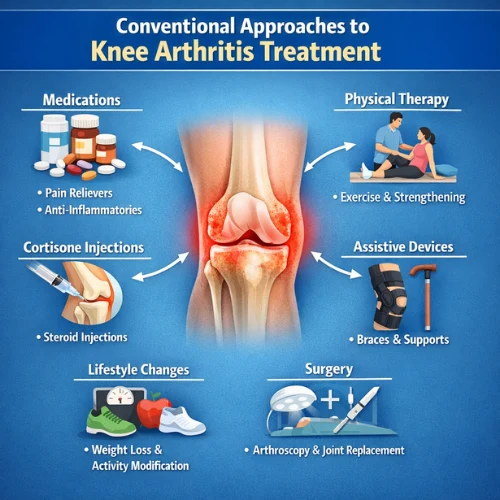
Most treatment plans for knee arthritis begin with conservative strategies aimed at relieving pain and improving joint function.
Typical Knee Arthritis Treatment approaches include:
- Physiotherapy to strengthen the muscles supporting the knee
- Weight management to reduce stress on the joint
- Anti-inflammatory medications, when necessary
- Lifestyle modifications to protect the knee during daily activities
- Supportive braces to stabilise the joint
These treatments focus on symptom relief and functional improvement. In many cases, they can significantly improve quality of life, particularly when implemented early.
However, as the condition progresses, patients often begin exploring additional treatment options that may support cartilage health and joint repair.
Regenerative Medicine and Joint Health
Regenerative medicine represents a rapidly evolving field within orthopaedics. Rather than focusing solely on symptom relief, regenerative approaches aim to support the body’s natural repair processes.
One of the most widely discussed regenerative treatments in orthopaedics is Stem Cell Therapy.
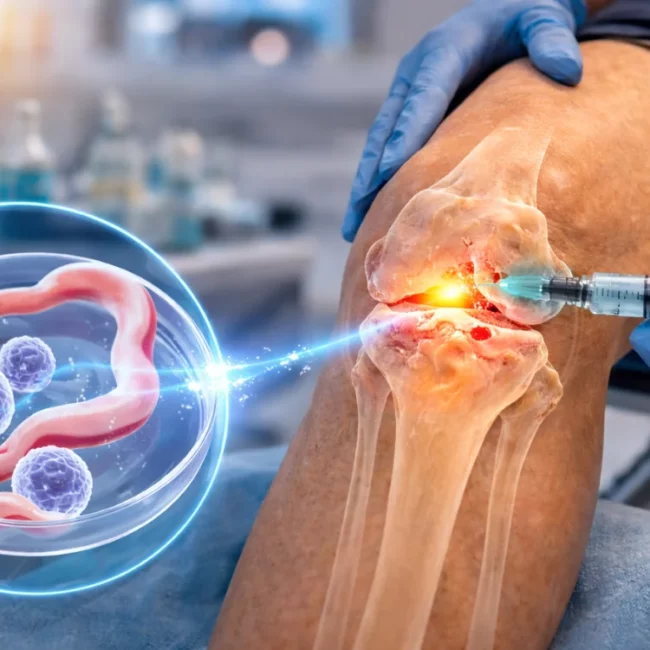
Stem cells have the unique ability to develop into different types of cells and release biological signals that influence healing. In joint conditions such as knee arthritis, these cells may help create a more favourable environment for tissue repair.
This potential has led to growing interest in Stem Cell Therapy for Knee Arthritis as part of comprehensive treatment strategies.
Stem Cell Therapy for Knee Arthritis
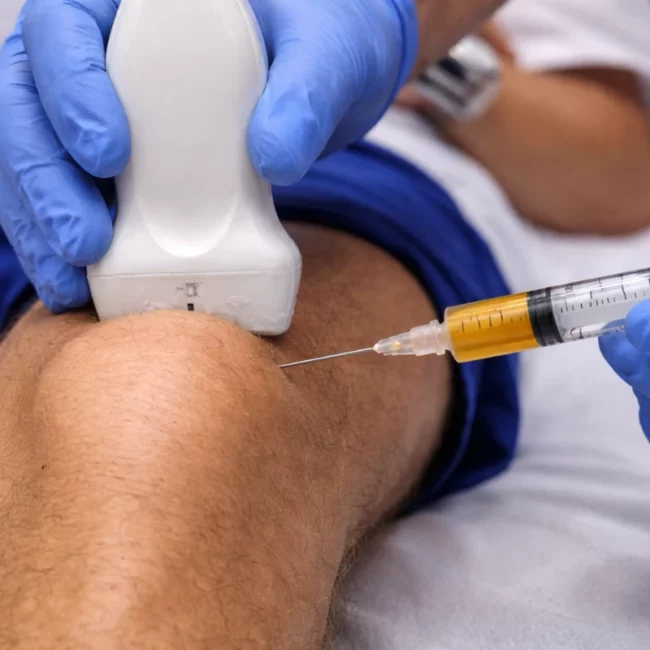
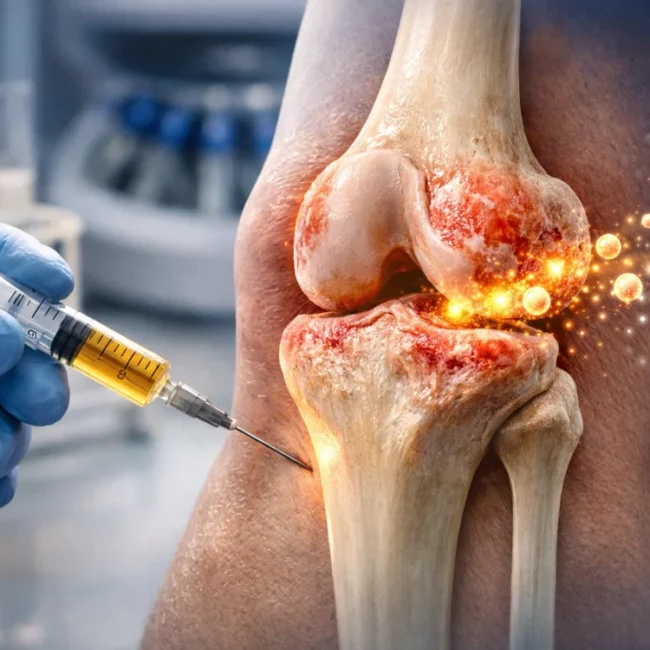
In the context of Stem Cell Therapy for Knee Arthritis, stem cells are introduced into the affected joint with the goal of supporting biological repair mechanisms.
The potential benefits being explored include:
- Reducing inflammation within the knee joint
- Supporting regeneration of damaged cartilage tissue
- Improving joint lubrication and function
- Slowing the progression of cartilage degeneration
By influencing the local biological environment, stem cells may contribute to improved joint comfort and mobility.
It is important to recognise that regenerative therapies are still being actively studied. While many patients experience symptom relief, results can vary depending on the severity of arthritis and the overall health of the joint.
Integrating Stem Cell Therapy with Rehabilitation

Even when regenerative treatments are considered, rehabilitation remains an essential component of recovery.
A well-designed rehabilitation programme may include:
Strengthening exercises
Building strength in the quadriceps, hamstrings, and surrounding muscles helps stabilise the knee joint and reduce mechanical stress.
Mobility and flexibility training
Maintaining joint mobility prevents stiffness and supports healthy movement patterns.
Gradual activity progression
Returning to normal activities gradually allows the joint to adapt safely to increasing loads.
The combination of regenerative therapy and structured rehabilitation often provides the best chance of improving joint function.
Who May Consider Stem Cell Therapy for Knee Arthritis
Patients exploring Stem Cell Therapy for Knee Arthritis are often those who:
- Have persistent knee pain despite conservative treatment
- Want to explore non-surgical options before considering joint replacement
- Have early or moderate cartilage degeneration
- Are seeking treatments aimed at improving joint biology rather than only managing symptoms
Each patient’s condition is unique, and treatment decisions should always be guided by a thorough medical evaluation.
Lifestyle Strategies That Support Knee Health
In addition to medical treatments, lifestyle choices play an important role in managing knee arthritis.
Simple strategies that can support joint health include:
- Maintaining a healthy body weight
- Engaging in low-impact activities such as swimming or cycling
- Strengthening the muscles around the knee
- Avoiding sudden increases in physical activity
- Using supportive footwear to reduce joint stress
These habits can help protect the knee joint and support long-term mobility.
Frequently Asked Questions About Knee Arthritis
What is the main cause of Knee Arthritis?
Knee arthritis most commonly develops due to age-related cartilage wear, but previous injuries, excess weight, and repetitive stress can also contribute.
Can Knee Arthritis be cured?
While arthritis cannot currently be completely reversed, many treatments can reduce symptoms and improve joint function.
Is Stem Cell Therapy safe for knee arthritis?
Stem cell therapy is being widely researched in orthopaedics and is generally considered when conservative treatments have not provided sufficient relief.
How long does recovery take after Stem Cell Therapy?
Recovery timelines vary depending on the patient and the severity of arthritis. Improvements often occur gradually over several weeks or months.
When should someone see a specialist for Knee Arthritis?
A specialist consultation is recommended when knee pain persists, limits daily activities, or continues despite initial treatment.
Conclusion
Stem Cell Therapy for Knee Arthritis is being explored as a promising option within modern Knee Arthritis Treatment, particularly for patients seeking non-surgical approaches to managing Knee Arthritis. Individuals experiencing persistent knee pain can consult an orthopaedic doctor in Dubai to evaluate their condition and determine the most appropriate treatment plan.