

PRP Injections for Knee Osteoarthritis Relief
Knee pain can gradually change the way people live their daily lives. Walking longer distances, climbing stairs, or even standing for extended periods may start to feel uncomfortable. One of the most common reasons behind persistent knee discomfort is Knee Osteoarthritis, a condition that develops when the protective cartilage within the knee joint gradually wears down.
Many patients initially manage symptoms with rest, medication, or physiotherapy. However, when pain continues to interfere with daily activity, individuals often begin exploring advanced treatment options that do not involve surgery. One such option gaining attention in orthopaedic care is Platelet-rich plasma for knees, commonly known as PRP therapy.
For patients experiencing ongoing Knee Pain, PRP injections are increasingly discussed as part of modern Knee Osteoarthritis management strategies. These injections aim to support the body’s natural healing response and improve joint function while delaying or avoiding more invasive procedures.
Understanding Knee Osteoarthritis
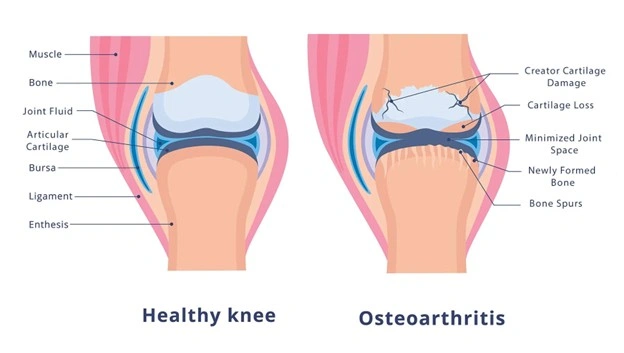
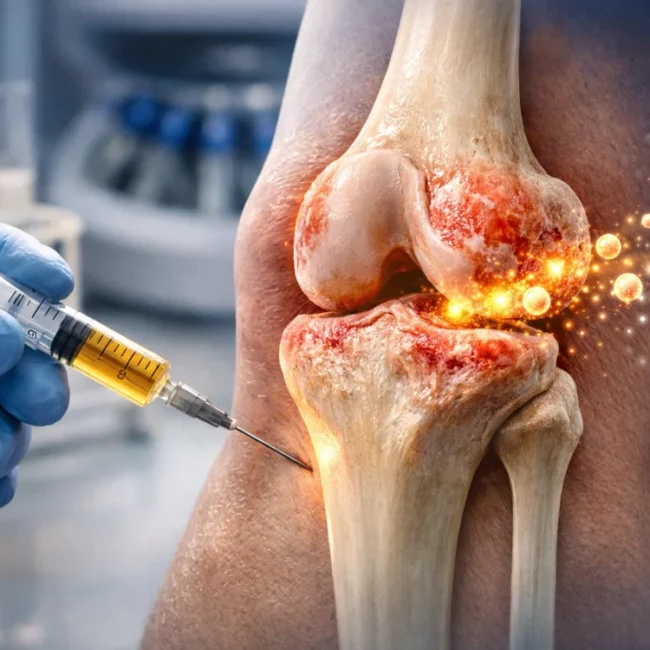
Knee Osteoarthritis is a degenerative joint condition in which the cartilage cushioning the bones of the knee gradually deteriorates. Cartilage plays an essential role in allowing the joint surfaces to glide smoothly during movement. When cartilage begins to break down, the bones may rub against each other, leading to pain, swelling, and reduced mobility.
Over time, this process can affect everyday activities and limit a person’s ability to remain physically active.
Typical symptoms of knee osteoarthritis include:
- Persistent Knee Pain, especially during walking or activity
- Stiffness in the knee after periods of rest
- Swelling around the joint
- Difficulty bending or straightening the knee fully
- A grinding or clicking sensation during movement
Symptoms often develop gradually, becoming more noticeable as cartilage damage progresses.
Why Knee Osteoarthritis Develops
Multiple factors often influence the development of Knee Osteoarthritis. While ageing is one of the most common contributors, several other elements may accelerate cartilage wear.
These include:
- Previous knee injuries or ligament damage
- Repetitive strain from sports or occupational activities
- Excess body weight increases stress on the joint
- Genetic predisposition to joint degeneration
- Weakness in the surrounding muscles that support the knee
As cartilage continues to thin, inflammation within the joint may increase, further contributing to pain and stiffness.
Conventional Approaches to Managing Knee Pain
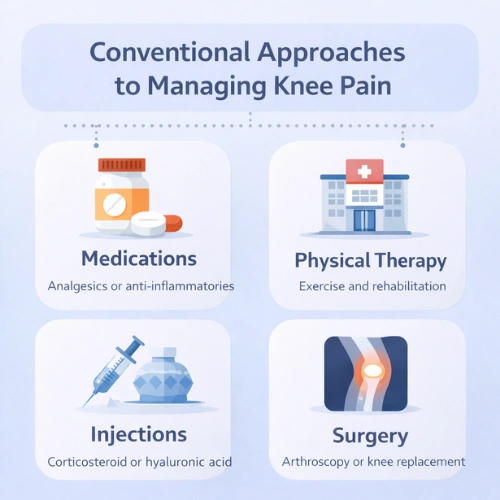
Treatment for Knee Osteoarthritis usually begins with conservative methods designed to reduce pain and improve joint function.
Typical strategies include:
- Physiotherapy to strengthen the muscles supporting the knee
- Weight management to reduce joint stress
- Anti-inflammatory medication, when appropriate
- Activity modification to limit excessive strain on the joint
- Supportive braces to improve knee stability
While these treatments can provide meaningful relief, some patients continue to experience persistent Knee Pain. When conservative care is insufficient, regenerative therapies such as PRP injections may be considered.
What Is Platelet-Rich Plasma for Knees?
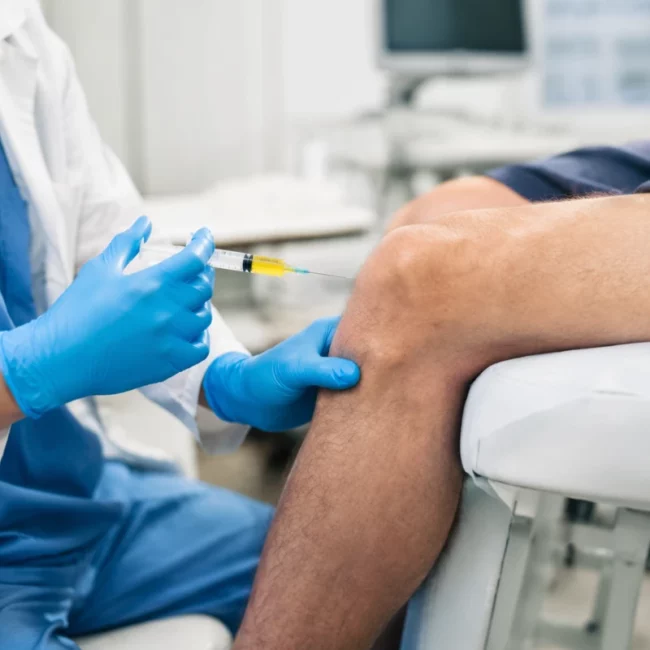
Platelet-rich plasma for knees involves using a concentrated portion of a patient’s own blood to support healing within the joint. Platelets contain growth factors that play an important role in tissue repair and the control of inflammation.
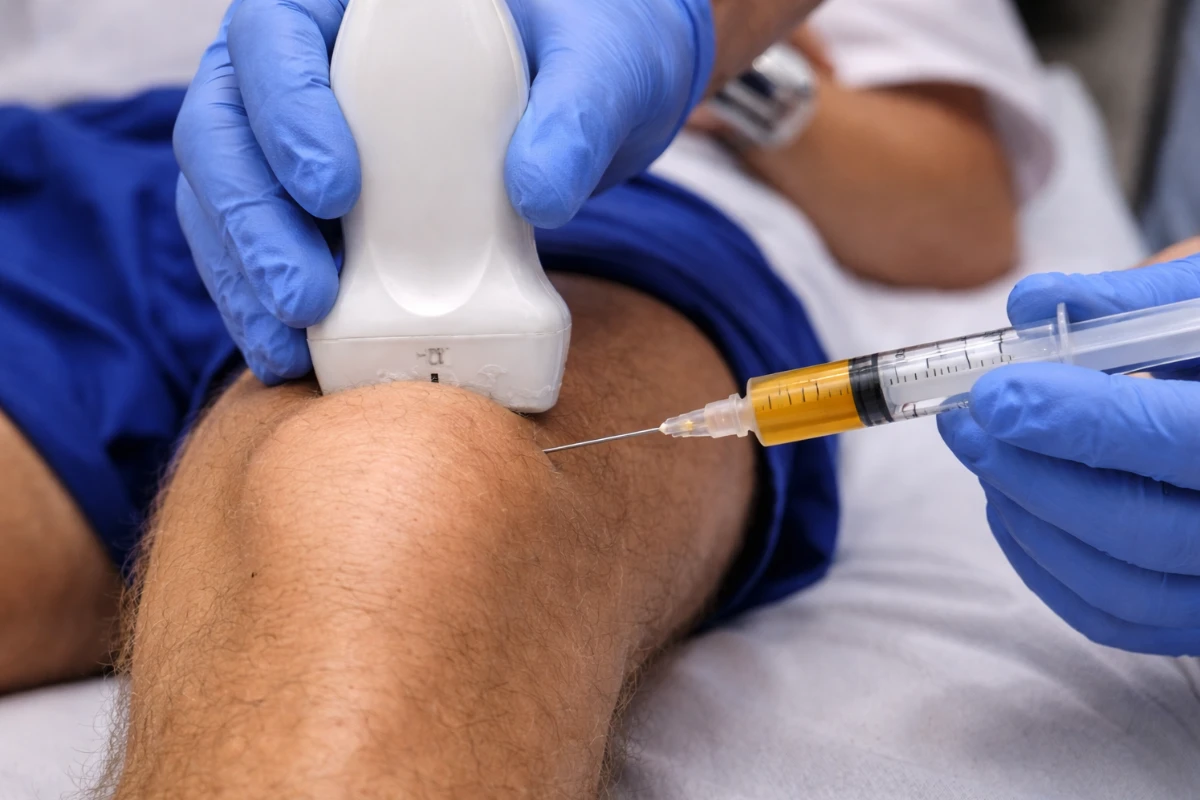
During PRP treatment, a small amount of the patient’s blood is processed to separate and concentrate the platelet-rich component. This concentrated plasma is then injected into the knee joint.
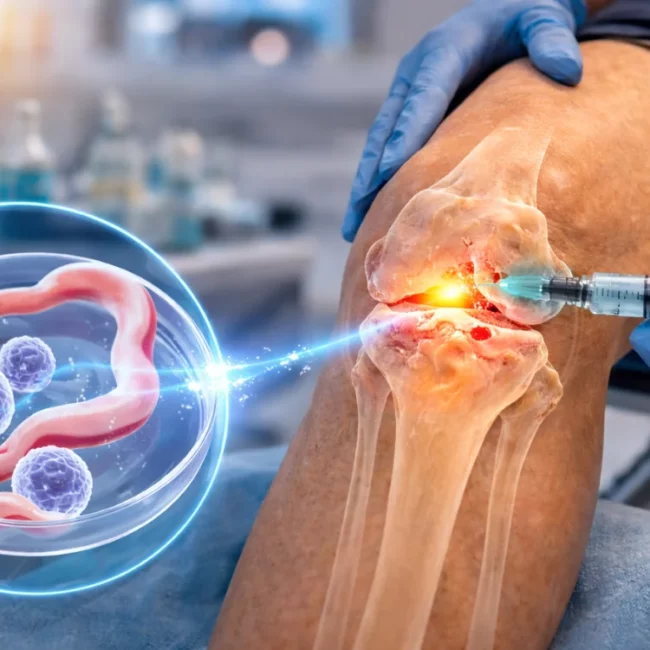
PRP therapy aims to introduce growth factors that may stimulate biological processes involved in tissue repair.
How PRP Injections May Help Knee Osteoarthritis
In patients with Knee Osteoarthritis, PRP therapy is thought to help improve the biological environment inside the joint.
Potential benefits of PRP injections include:
- Reduction of inflammation within the joint
- Support for cartilage cell activity
- Improvement in joint lubrication
- Reduction of pain during movement
These effects may lead to improved joint comfort and better functional mobility for some patients.
Research continues to investigate how PRP Knee Injection in Dubai and other locations can support patients experiencing chronic knee symptoms.
PRP Knee Injection in Dubai as a Non-Surgical Option
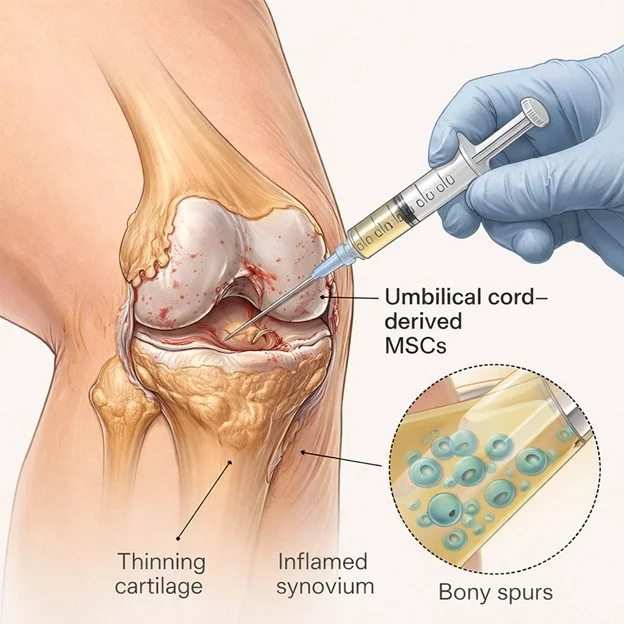
For individuals seeking alternatives to surgery, PRP injections may be considered as part of a broader treatment strategy. Some patients explore PRP therapy when they wish to delay joint replacement surgery or pursue a non-surgical knee replacement approach.
While PRP does not replace a severely damaged joint, it may help reduce symptoms and improve function in certain cases of mild to moderate arthritis.
Treatment decisions are always made based on a thorough clinical evaluation of the knee joint.
What to Expect After PRP Treatment
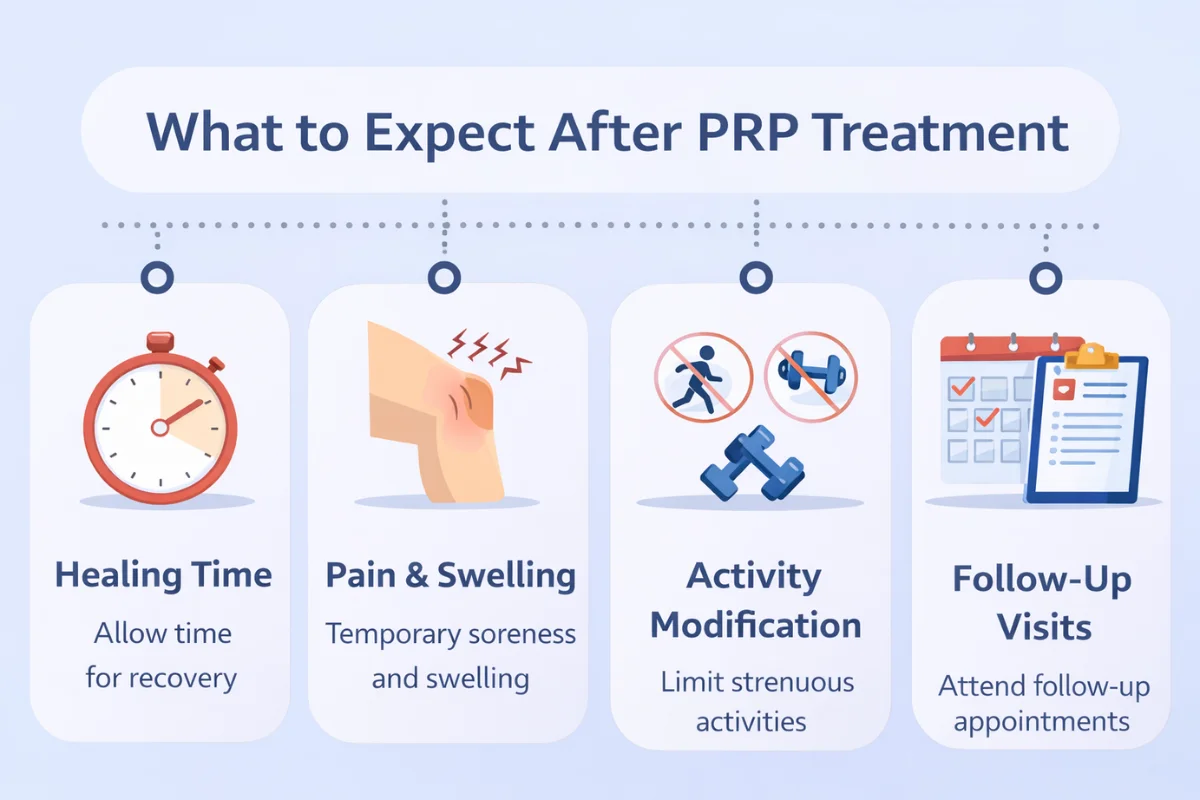
Recovery after a PRP injection is generally gradual. Because the treatment relies on biological healing processes, improvements may occur progressively rather than immediately.
Patients often follow a structured recovery plan that includes:
Initial rest period
Short-term activity modification helps the knee adjust following the injection.
Rehabilitation exercises
Physiotherapy helps restore strength and mobility in the knee joint.
Gradual return to activity
Patients gradually resume daily activities as knee function improves.
The combination of PRP therapy and rehabilitation can often produce the most meaningful improvements in joint comfort and mobility.
Who May Benefit from PRP Knee Injection
PRP therapy may be considered for patients who:
- Experience ongoing Knee Pain due to mild or moderate Knee Osteoarthritis
- Have not achieved adequate relief with conservative treatment
- Wish to explore regenerative options before considering surgery
- Want to delay joint replacement procedures
Each patient’s condition is unique, and suitability for PRP therapy should always be assessed by a qualified specialist.
Lifestyle Changes That Support Knee Health
Medical treatment is only one part of managing knee osteoarthritis. Long-term joint health also depends on supportive lifestyle habits.
Helpful strategies include:
- Maintaining a healthy body weight
- Engaging in low-impact activities such as cycling or swimming
- Strengthening the muscles surrounding the knee joint
- Avoiding sudden increases in physical activity
- Wearing supportive footwear to reduce joint stress
These steps can help reduce the progression of knee arthritis and support joint function.
Frequently Asked Questions About PRP for Knee Osteoarthritis
What is PRP therapy used for in knee conditions?
PRP therapy is used to support healing and reduce inflammation in joint conditions such as Knee Osteoarthritis.
Is PRP a permanent cure for knee arthritis?
PRP does not reverse advanced arthritis but may help reduce symptoms and improve joint function.
How long does it take to notice improvement after PRP?
Many patients begin noticing improvements gradually over several weeks as healing processes develop.
Is PRP considered a non-surgical knee replacement?
PRP is sometimes discussed as a non-surgical knee replacement option because it may help delay joint replacement surgery in selected patients.
Who should consider PRP Knee Injection in Dubai?
Patients experiencing persistent knee pain from early to moderate arthritis may discuss PRP therapy with an orthopaedic specialist.
Conclusion
PRP therapy offers a promising regenerative option for managing Knee Osteoarthritis and reducing persistent Knee Pain. Patients considering PRP Knee Injection in Dubai or exploring platelet-rich plasma for knees as a non-surgical knee replacement option should seek expert evaluation to determine the most appropriate treatment plan for their condition.