

Rotator Cuff Treatment in Dubai: Non-Surgical and Surgical Options
What Is the Rotator Cuff?
The rotator cuff is a group of muscles and tendons that surround the shoulder joint. These tendons help hold the ball of the upper arm bone in the shoulder socket while allowing the arm to move in different directions.
The shoulder is one of the most mobile joints in the body. This mobility is useful, but it also means the shoulder depends heavily on soft tissue support. The rotator cuff helps provide that support.
It plays an important role when you:
- Lift your arm
- Reach overhead
- Rotate the shoulder
- Carry objects
- Push or pull
- Sleep on your side
- Perform gym or sports movements
- Use the arm for daily tasks
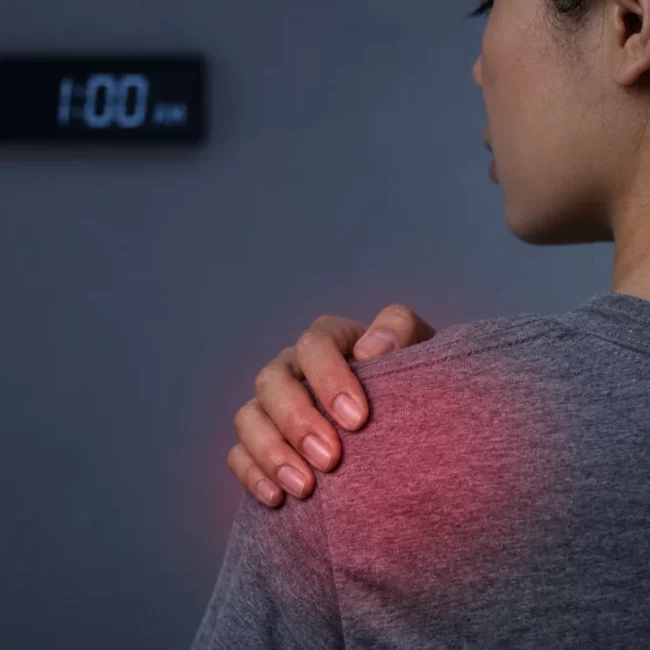
When the rotator cuff is irritated, inflamed, weak or torn, the shoulder may become painful and less reliable.
What Is a Rotator Cuff Tear?
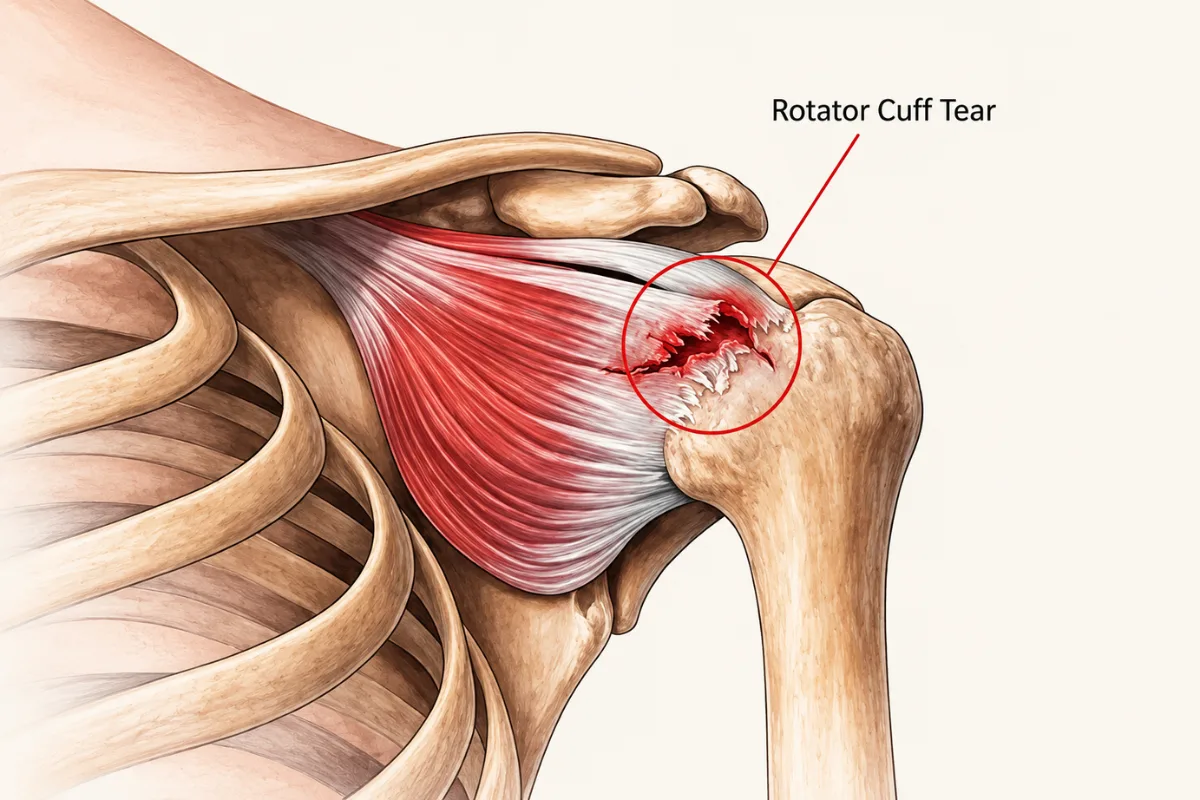 A Rotator Cuff Tear happens when one or more of the rotator cuff tendons are damaged. The tear may be partial, where only part of the tendon is affected, or full-thickness, where the tendon is torn more completely.
Some tears happen suddenly after an injury. Others develop gradually over time due to tendon wear, repeated overload or age-related changes.
A tear can vary from small and manageable to large and functionally limiting. That is why treatment is not the same for every patient.
One person may improve with physiotherapy and activity changes. Another person with a large tear, sudden weakness or ongoing loss of function may need surgical assessment.
The most important step is understanding the type of tear and how much it is affecting the patient’s shoulder function.
Common Symptoms of a Rotator Cuff Tear
Rotator cuff problems can present in different ways. Some patients have pain but reasonable movement. Others struggle to lift the arm properly.
Common symptoms may include:
- Pain on the side or front of the shoulder
- Pain when lifting the arm
- Pain while reaching overhead
- Difficulty reaching behind the back
- Pain while wearing clothes
- Weakness when lifting or rotating the arm
- Pain at night
- Difficulty sleeping on the affected shoulder
- Clicking, catching or discomfort with movement
- Pain spreading into the upper arm
- Reduced shoulder movement
- Loss of confidence while using the arm
One important sign is weakness. If a patient cannot lift the arm properly after an injury, or if the shoulder suddenly feels weak, it should be assessed early.
Pain alone does not always tell the full story. Function matters.
What Causes Rotator Cuff Problems?
Rotator cuff injuries may happen for several reasons. Sometimes, the cause is obvious. For example, a fall, sudden pull or heavy lifting movement may trigger symptoms immediately.
In other cases, the pain builds gradually.
Common causes include:
1. Repeated overhead activity
Frequent reaching, lifting or working above shoulder level can place stress on the rotator cuff.
2. Age-related tendon changes
As we age, tendon quality can change. This may make the rotator cuff more vulnerable to irritation or tearing.
3. Sports and gym overload
Poor technique, sudden increases in weight or repeated shoulder strain may contribute to injury.
4. Poor shoulder mechanics
If the shoulder blade and rotator cuff do not work well together, the tendon may be overloaded.
5. Trauma
A fall, sudden jerking movement or direct injury can cause a tear, especially if followed by weakness.
6. Previous shoulder pain
Long-standing shoulder irritation can sometimes progress if it is not managed properly.
Often, the problem is not caused by one single factor. It may be a combination of tendon wear, repeated strain, poor recovery and sudden overload.
Why Diagnosis Matters Before Treatment
Rotator cuff pain is not always simple. Shoulder pain can also come from stiffness, arthritis, bursitis, frozen shoulder, nerve irritation, labral injuries or other tendon problems.
This is why self-diagnosing a Rotator Cuff Tear can be misleading.
Before deciding on treatment, a specialist usually checks:
- When the pain started
- Whether there was an injury
- Which movements trigger pain
- Whether there is weakness
- How sleep is affected
- Whether work, sport or daily activities are limited
- Previous treatments tried
- Shoulder movement and strength
- Neck, elbow and upper-limb function when needed
In some cases, imaging may be recommended. X-rays can help check bone changes, while ultrasound or MRI may help evaluate the rotator cuff tendons.
A proper diagnosis helps decide whether the patient needs non-surgical treatment, injection-based care, surgical repair or a different approach altogether.
Rotator Cuff Treatment Dubai: What Are the Main Options?
 Rotator Cuff Treatment Dubai should be personalised. The right plan depends on the patient’s age, activity level, symptoms, tear size, tendon quality, pain severity and functional needs.
Broadly, treatment can be divided into:
- Non-surgical treatment
- Injection-based treatment in selected cases
- Surgical treatment when needed
- Rehabilitation and recovery planning
The goal is not only to reduce pain. The goal is to restore useful shoulder function and help the patient return safely to daily life.
Non-Surgical Rotator Cuff Treatment
Many rotator cuff problems can begin with non-surgical care, especially if the tear is small, partial, gradual in onset or not causing major weakness.
Non-surgical treatment may include the following options.
1. Activity Modification
Activity modification means reducing or changing movements that irritate the shoulder. This does not mean completely stopping all arm use. In fact, avoiding all movement for too long can make the shoulder stiff.
The aim is to reduce painful overload while keeping the shoulder moving safely.
Patients may be advised to temporarily avoid:
- Heavy overhead lifting
- Repeated reaching
- Sudden pulling movements
- Painful gym exercises
- Sleeping on the painful side
- Lifting objects away from the body
- Activities that repeatedly trigger sharp pain
Once symptoms improve, activities can be gradually reintroduced with better control.
2. Medication and Pain Control
Pain relief may be used for a short period to help reduce discomfort and allow the patient to participate in rehabilitation.
Anti-inflammatory medication may be recommended for some patients, depending on medical history. However, it should be taken only with medical advice, especially in patients with stomach, kidney, heart or blood-thinning concerns.
Medication can help manage symptoms, but it does not repair a torn tendon by itself. It should support the recovery plan, not replace it.
3. Physiotherapy
Physiotherapy is often one of the most important parts of non-surgical rotator cuff care.
A good rehabilitation programme may focus on:
- Restoring shoulder movement
- Improving shoulder blade control
- Strengthening the rotator cuff
- Reducing painful movement patterns
- Improving posture
- Building gradual load tolerance
- Supporting return to work, gym or sport
The exercises should be progressive. This means they start gently and become more challenging as the shoulder improves.
A common mistake is doing random shoulder exercises from the internet. The wrong exercise, too much resistance or poor technique can increase pain.
Physiotherapy works best when it is matched to the diagnosis and stage of healing.
 4. Shoulder Strengthening
Strengthening is not only about the rotator cuff. The shoulder blade, upper back and surrounding muscles also matter.
A balanced strengthening plan may include:
- Rotator cuff activation
- External rotation exercises
- Internal rotation exercises
- Shoulder blade strengthening
- Controlled reaching movements
- Postural exercises
- Gradual resistance training
The goal is to make the shoulder more stable and controlled.
For patients with a Rotator Cuff Tear, strengthening may help improve function even if the tear itself does not fully heal. In selected cases, the surrounding muscles can compensate well enough for daily activity.
5. Injections in Selected Cases
Injection-based treatments may be considered when pain is limiting rehabilitation or when symptoms do not improve with basic care.
The type of injection depends on the diagnosis and treatment goal.
Some injections are used mainly to reduce pain and inflammation. Regenerative options, such as PRP, may be discussed in selected tendon-related cases where the aim is to support the healing environment.
However, injections should not be offered as a routine shortcut for every shoulder pain. They work best when the diagnosis is clear and when they are part of a broader treatment plan.
A patient should always understand why an injection is being advised, what it can realistically achieve and what rehabilitation is needed afterwards.
When Is Non-Surgical Treatment Usually Suitable?
Non-surgical care may be suitable when:
- The tear is partial or small
- Symptoms developed gradually
- Pain is manageable
- Shoulder function is still reasonable
- There is no major sudden weakness
- The patient is improving with physiotherapy
- The tear is not progressing significantly
- The patient prefers to avoid surgery when medically safe
This approach can be very effective for many patients, but it requires patience and consistency.
Rotator cuff tendons do not recover overnight. A proper non-surgical plan may take several weeks to months.
When Should Surgery Be Considered?
Surgery may be considered when the rotator cuff tear is causing significant pain, weakness or loss of function, especially if non-surgical care has not helped enough.
Surgical assessment may be advised if:
- The tear happened after a fall or injury
- There is sudden weakness
- The patient cannot lift the arm properly
- A full-thickness tear is present
- Symptoms are not improving after structured treatment
- Pain is affecting sleep and daily function
- The patient has high functional demands
- Imaging shows a tear that may benefit from repair
- The tear is at risk of becoming harder to repair later
Surgery is not decided only by MRI findings. It depends on the whole clinical picture.
Some people have tears on imaging but manageable symptoms. Others have smaller tears with severe functional limitation. The decision must be personalised.
Surgical Options for Rotator Cuff Tear
The most common surgical goal is to repair the torn tendon back to its attachment on the bone, when the tear is repairable.
Depending on the tear and the patient’s condition, surgery may involve different techniques.
Arthroscopic Rotator Cuff Repair
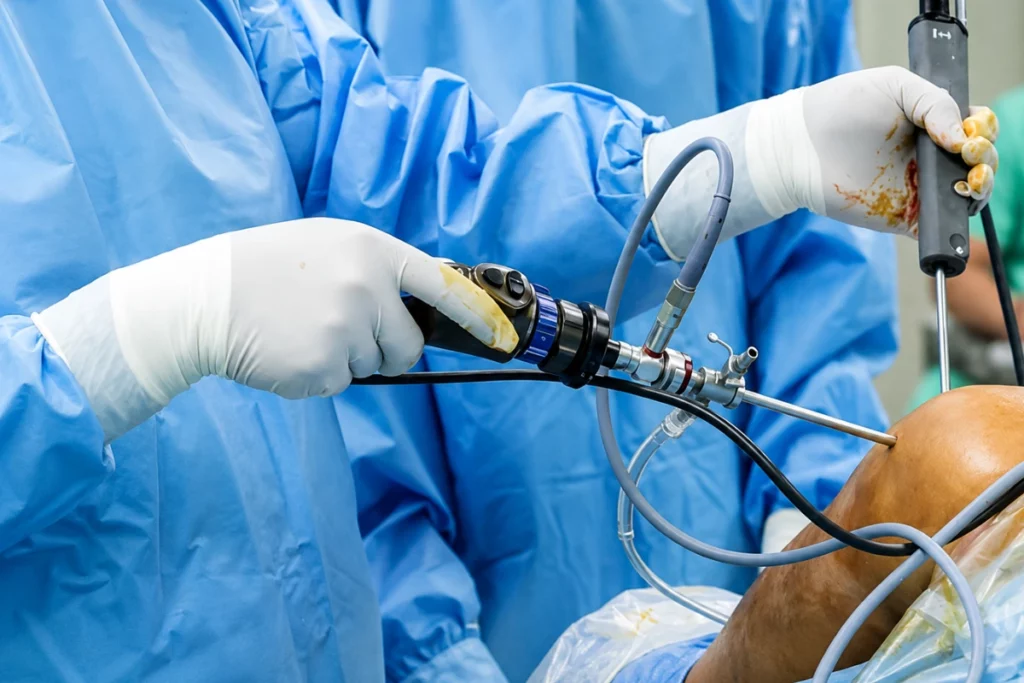
This is a commonly used minimally invasive technique. The surgeon uses a small camera and specialised instruments through small incisions around the shoulder.
The torn tendon is repaired using sutures and anchors to reattach it to the bone.
Arthroscopy allows the surgeon to inspect the shoulder joint and treat associated problems if needed.
Mini-Open or Open Repair
In some cases, a mini-open or open approach may be considered depending on tear size, tissue quality, previous surgery or surgeon preference.
The aim is still to repair the tendon and restore shoulder function as much as possible.
Debridement or Tendon Cleaning
If the tendon is frayed or irritated but not suitable for full repair, the surgeon may remove damaged tissue and smooth the area. This may be considered in selected cases.
Treatment for Large or Complex Tears
Large, chronic or retracted tears may need a more advanced plan. In some cases, the tendon may not be fully repairable.
The treatment decision may depend on:
- Tear size
- Tendon retraction
- Muscle quality
- Patient age
- Shoulder strength
- Pain level
- Functional goals
- Previous treatment history
Not every large tear is treated the same way. This is why specialist assessment is important.
What Happens After Rotator Cuff Surgery?
Recovery after rotator cuff surgery is gradual. Patients should not expect immediate full shoulder use.
The tendon needs time to heal to the bone, and the shoulder needs structured rehabilitation.
A typical recovery may include:
First few weeks
The arm is usually protected in a sling. Movement is limited, and the focus is on protecting the repair.
Early rehabilitation
Gentle guided movement may begin based on the surgeon’s protocol. The aim is to prevent stiffness without overloading the repair.
Strengthening phase
Strengthening begins later, once healing has progressed enough. This must be carefully supervised.
Return to daily activities
Simple daily tasks are gradually reintroduced. More demanding activities take longer.
Long-term recovery
Full recovery can take several months. Patience is important because tendon healing is slow.
The success of surgery depends not only on the repair itself, but also on the quality of rehabilitation and patient compliance after the procedure.
Is Surgery Always Successful?
Rotator cuff surgery can be very helpful for the right patient, but no treatment can promise a perfect result.
Outcomes depend on several factors, including:
- Size of the tear
- Duration of symptoms
- Tendon quality
- Muscle condition
- Age and general health
- Smoking status
- Rehabilitation commitment
- Activity demands
- Whether the repair is protected properly after surgery
Some patients regain excellent function. Others may have improvement in pain but some remaining stiffness or weakness.
A realistic discussion before surgery is essential. Patients should understand the expected recovery, limitations and commitment required.
Non-Surgical vs Surgical Treatment: How Is the Decision Made?
This is one of the most common questions patients ask.
The answer is not simply based on whether a tear is present. The decision depends on how the tear affects the patient.
A doctor may consider:
- Is the tear partial or full-thickness?
- Did it happen suddenly or gradually?
- How weak is the shoulder?
- How much pain is present?
- Is sleep affected?
- Has physiotherapy been tried properly?
- What does imaging show?
- What are the patient’s daily needs?
- Is the tear repairable?
- What are the risks of waiting?
For some patients, non-surgical care is the right first step. For others, early surgical repair may be more appropriate, especially after traumatic tears with weakness.
There is no one-size-fits-all answer.
Recovery Tips for Rotator Cuff Problems
Whether treatment is surgical or non-surgical, recovery needs discipline.
Helpful recovery tips include:
- Do not ignore persistent shoulder pain
- Avoid painful overhead loading early on
- Follow your physiotherapy plan
- Do not rush strengthening
- Keep movements controlled
- Avoid sleeping directly on the painful shoulder
- Improve desk posture
- Return to sport or gym gradually
- Attend follow-up appointments
- Ask questions if pain changes or worsens
The shoulder responds best to a structured plan, not random rest and sudden overload.
Why Choose a Hand-to-Shoulder Specialist?
The shoulder does not work alone. It is part of the full upper limb chain, including the neck, shoulder blade, arm, elbow, wrist and hand.
A hand-to-shoulder specialist looks at the complete function of the upper limb. This is especially valuable when pain affects daily movement, work, sport or strength.
For Rotator Cuff Treatment Dubai, specialist assessment helps identify whether the problem is tendon-related, joint-related, nerve-related or part of a wider movement issue.
This matters because the right diagnosis leads to the right treatment plan.
What to Expect During a Consultation
During a shoulder consultation, the doctor will usually begin by understanding your symptoms and daily challenges.
You may be asked:
- When did the pain start?
- Was there an injury?
- Can you lift the arm fully?
- Is there weakness?
- Does pain wake you at night?
- What activities make it worse?
- Have you tried physiotherapy or medication?
- Does the pain affect work, sport or daily tasks?
The doctor will then examine shoulder movement, strength and pain patterns. Imaging may be recommended if needed.
By the end of the assessment, the goal is to answer three important questions:
- What is causing the pain?
- Is the rotator cuff torn or irritated?
- What treatment option is most suitable now?
That clarity helps patients make confident decisions.
Final Thoughts
Rotator Cuff Treatment Dubai should begin with an accurate diagnosis and a clear explanation of whether non-surgical care or surgical repair is the better option for your specific Rotator Cuff Tear. At Dr Marouane’s Orthopaedic Clinic, patients receive expert assessment and personalised treatment plans tailored to their condition. If shoulder pain is affecting your sleep, limiting arm movement, or interfering with daily activities, call +971 544 226 123 to schedule a consultation and begin your journey toward lasting relief with one of Dubai’s leading orthopedic surgeons.