
Best Exercises for Rotator Cuff Strengthening and Injury Prevention
Shoulder pain can be confusing because it often starts quietly. You may first notice discomfort when reaching for something on a shelf, putting on a jacket, lifting a bag, sleeping on one side, or returning to gym training after a break. At first, it may feel like a small strain. But when the same pain keeps returning, the shoulder starts affecting daily life more than expected.
The rotator cuff is one of the most important support systems of the shoulder. When it is weak, overloaded or injured, even simple movements can become painful. The right Rotator Cuff Exercises can help improve strength, control and shoulder stability. However, exercises must be chosen carefully, especially if there is already pain, weakness or a suspected Rotator Cuff Tear.
What Is the Rotator Cuff?
The rotator cuff is a group of four muscles and tendons that surround the shoulder joint. These muscles help keep the shoulder stable while allowing the arm to move in different directions.
The shoulder is a very mobile joint. This gives it excellent freedom of movement, but it also means the muscles around it need to work well together. The rotator cuff helps guide the ball of the upper arm bone within the shoulder socket while you lift, rotate, reach or carry.
When the rotator cuff is strong and coordinated, the shoulder usually feels controlled. When it is weak, irritated or injured, the shoulder may feel painful, unstable or limited.
Why Rotator Cuff Strength Matters
Many people think shoulder strength is only about large muscles. In reality, the smaller stabilising muscles are just as important.
The rotator cuff does not only help with power. It helps with control.
A healthy rotator cuff supports:
- Better shoulder stability
- Smoother arm movement
- Reduced strain during lifting
- Better posture and shoulder control
- Safer gym training
- Improved sports performance
- Lower risk of overuse injuries
- Better support during daily activities
This is why Rotator Cuff Exercises are often included in shoulder rehabilitation, sports training and injury prevention plans.
The goal is not to lift heavy weights. The goal is to build control, endurance and quality of movement.
Common Causes of Rotator Cuff Injury
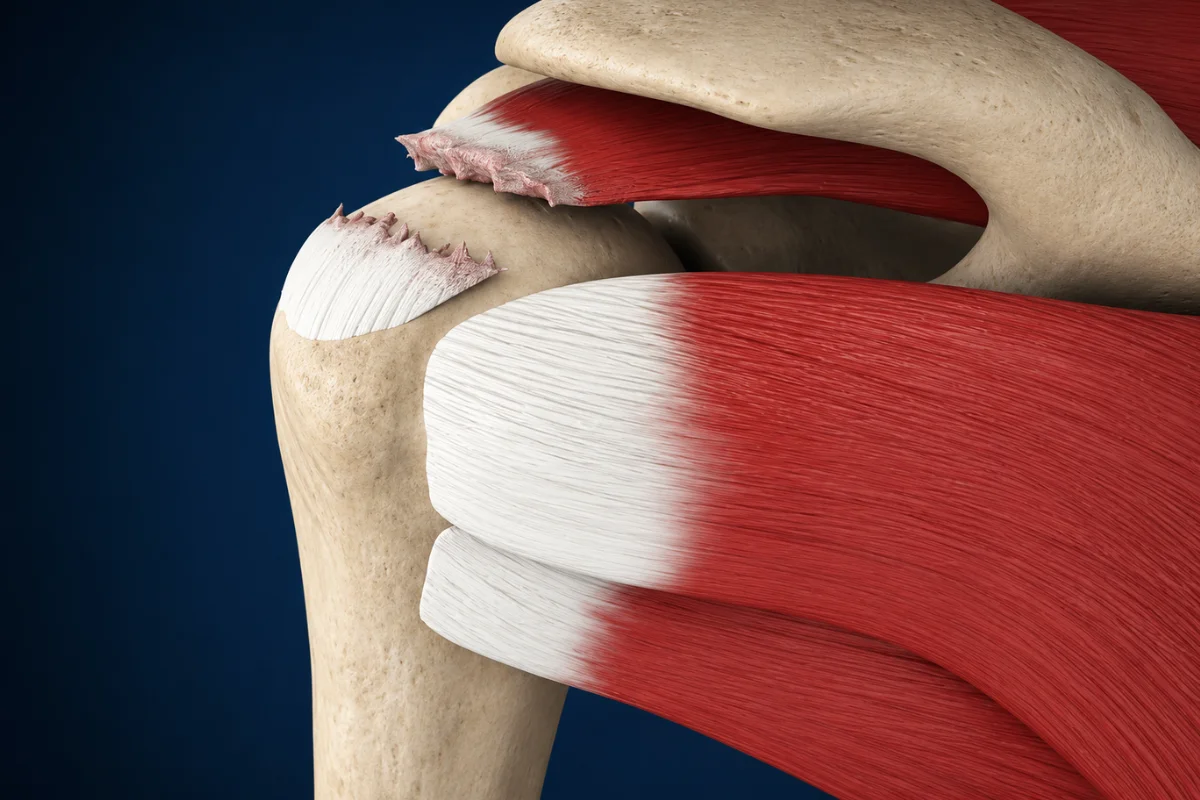
A Rotator Cuff Injury can happen suddenly or gradually. Some injuries occur after a fall or sudden force. Others develop slowly because of repeated stress.
Common causes include:
- Repeated overhead activity
- Poor lifting technique
- Sudden increase in gym training
- Weak shoulder stabilisers
- Poor posture
- Sports involving throwing or swinging
- Heavy pushing or pulling movements
- Age-related tendon changes
- Sleeping repeatedly on the painful shoulder
- Ignoring early shoulder pain
In many patients, rotator cuff pain is not caused by one single moment. It is often a build-up of repeated stress, poor recovery and gradual tendon irritation.
This is why prevention matters. The shoulder often gives warning signs before the problem becomes more serious.
Rotator Cuff Injury Symptoms You Should Not Ignore
Not every shoulder ache means a serious injury. But certain symptoms should be taken seriously, especially if they keep returning.
Possible symptoms of a Rotator Cuff Injury include:
- Pain while lifting the arm
- Pain while reaching overhead
- Difficulty reaching behind the back
- Pain at night or while lying on the affected shoulder
- Weakness when lifting or rotating the arm
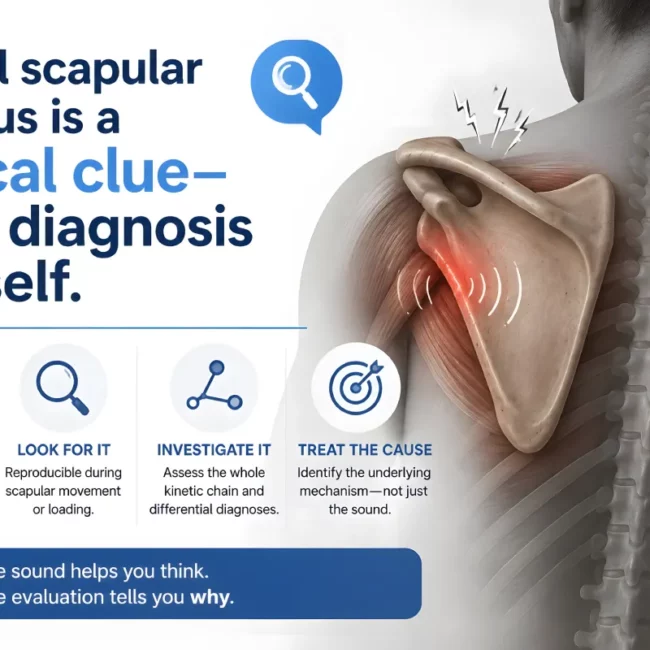
- Clicking or catching with movement
- Pain after gym training or sport
- Reduced shoulder movement
- Difficulty dressing, combing hair or fastening clothing
- Pain that spreads from the shoulder into the upper arm
If pain is mild and recent, simple rest and gentle movement may help. But if symptoms continue, worsen or affect function, it is better to get the shoulder assessed.
Rotator Cuff Tear: Can Exercises Help?
This is a very important question.
A Rotator Cuff Tear can be partial or complete. A small partial tear may improve with non-surgical treatment, physiotherapy and strengthening in selected patients. A larger tear, traumatic tear or tear with major weakness may need further specialist assessment.
Exercises can help many shoulder problems, but they cannot be treated like a universal cure.
Rotator Cuff Exercises may help by improving:
- Muscle support around the shoulder
- Shoulder blade control
- Pain-free movement
- Strength and endurance
- Load tolerance
- Confidence during daily activity
However, if there is a significant Rotator Cuff Tear, exercises should be guided by a specialist or physiotherapist. Doing the wrong exercises too early may increase pain or overload the tendon.
This is why diagnosis matters before starting an aggressive strengthening programme.
When Should You Avoid Exercises and See a Specialist First?
You should not push through shoulder pain blindly. The shoulder is complex, and the wrong movement can sometimes make symptoms worse.
See a doctor before starting Rotator Cuff Exercises if you have:
- Severe shoulder pain
- Pain after a fall or injury
- Sudden weakness in the arm
- Inability to lift the arm properly
- Pain that wakes you at night repeatedly
- Pain lasting more than a few weeks
- Numbness or tingling in the arm or hand
- Previous shoulder surgery
- Pain that worsens with exercise
- A suspected Rotator Cuff Tear
The safest rule is simple. Mild muscle effort is acceptable. Sharp pain, increasing pain or loss of movement is not something to ignore.
Best Rotator Cuff Exercises for Shoulder Strength and Prevention
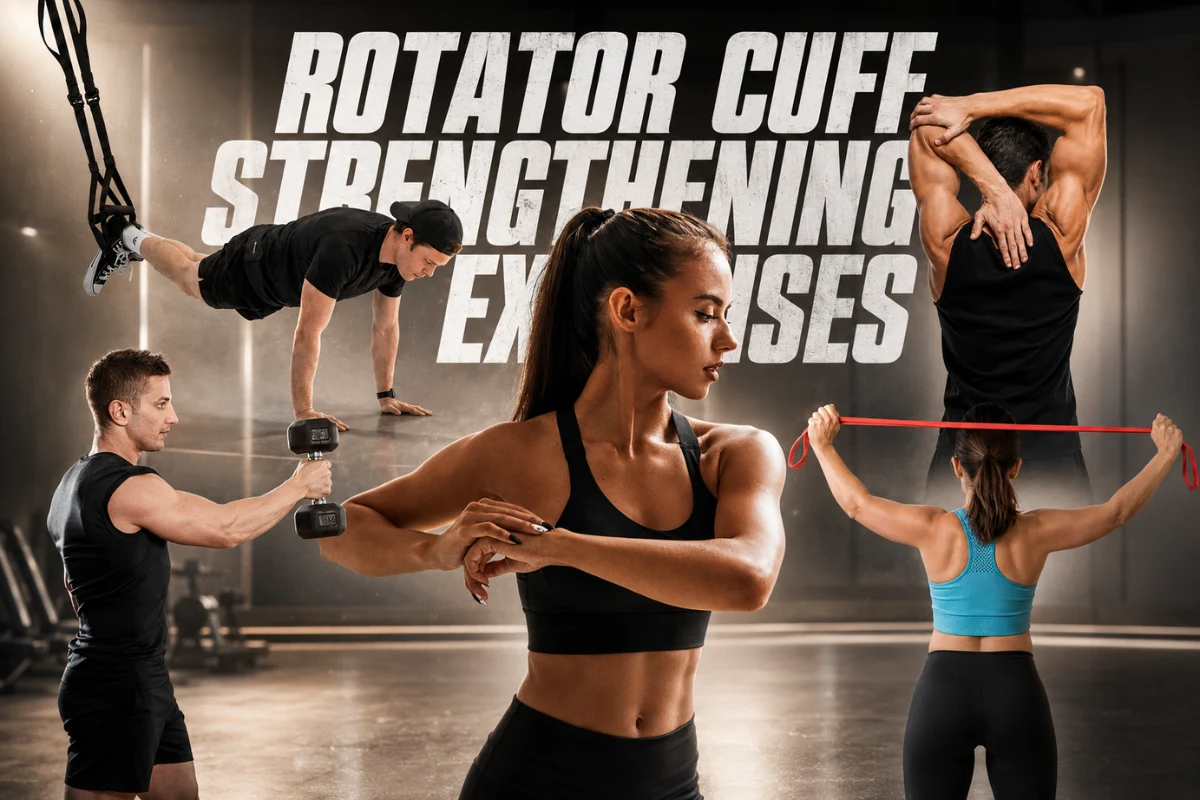
The following exercises are commonly used to support shoulder mobility, control and strength. They should be done slowly, with good posture and within a comfortable range.
If you already have pain, start gently. Do not force movement.
1. Pendulum Swings

Pendulum swings are often used in the early stage of shoulder discomfort because they encourage gentle movement without heavy loading.
How to do it
Lean forward slightly and support your body with the opposite hand on a table or chair. Let the painful arm hang relaxed. Gently move the arm in small circles, then forward and backward.
Why it helps
This exercise helps keep the shoulder moving gently without placing strong demand on the rotator cuff.
Tips
- Keep the arm relaxed
- Use small movements
- Do not swing forcefully
- Stop if pain increases
This is a mobility exercise, not a strengthening exercise.
2. Shoulder Blade Squeezes
The shoulder blade plays a major role in rotator cuff function. If the shoulder blade does not move well, the rotator cuff may work harder than it should.
How to do it
Sit or stand tall. Gently squeeze your shoulder blades together, as if you are trying to hold a pencil between them. Hold for 3 to 5 seconds, then relax.
Why it helps
It improves posture and activates the muscles that support shoulder blade control.
Tips
- Do not shrug your shoulders
- Keep the neck relaxed
- Move slowly
- Focus on control, not force
This exercise is simple but very useful for people who sit at a desk for long hours.
3. External Rotation With Resistance Band

This is one of the most useful Rotator Cuff Exercises because it targets the muscles that rotate and stabilise the shoulder.
How to do it
Hold a resistance band with the elbow bent at 90 degrees and kept close to the side of the body. Place a small towel between the elbow and the side to keep the position controlled. Slowly rotate the hand away from the body, then return to the starting position.
Why it helps
It strengthens the external rotators, which are important for shoulder stability and injury prevention.
Tips
- Keep the elbow close to the body
- Do not twist the trunk
- Use a light band
- Move slowly
- Avoid pain
If the movement feels difficult, reduce the resistance.
4. Internal Rotation With Resistance Band
Internal rotation strengthens another part of the rotator cuff and helps balance shoulder control.
How to do it
Attach a resistance band to a stable point. Stand sideways to the band. Keep the elbow bent at 90 degrees and close to the body. Pull the band gently towards the stomach, then slowly return.
Why it helps
It supports the muscles that help rotate the arm inward and stabilise the shoulder during daily tasks.
Tips
- Keep the wrist straight
- Avoid using the whole body to pull
- Start with very light resistance
- Keep the movement smooth
This exercise should feel controlled, not forced.
5. Wall Slides
Wall slides are useful for improving shoulder movement and control, especially when reaching overhead feels stiff or weak.
How to do it
Stand facing a wall. Place your hands or forearms on the wall. Slowly slide them upward as far as comfortable, then slide back down.
Why it helps
Wall slides encourage controlled upward movement while supporting shoulder blade coordination.
Tips
- Do not arch the back
- Keep the movement pain-free
- Move slowly
- Avoid forcing the arm overhead
If the shoulder pinches at the top, reduce the range.
6. Side-Lying External Rotation
This exercise is often used for rotator cuff strengthening because it allows controlled movement with light resistance.
How to do it
Lie on the opposite side. Keep the working elbow bent at 90 degrees and close to the body. Hold a very light weight or no weight at first. Slowly rotate the hand upward, then lower it back down.
Why it helps
It strengthens the external rotators without requiring large shoulder movement.
Tips
- Use a very light weight
- Keep the elbow tucked in
- Do not rush
- Stop if sharp pain appears
Quality matters more than the number of repetitions.
7. Wall Push-Up Plus
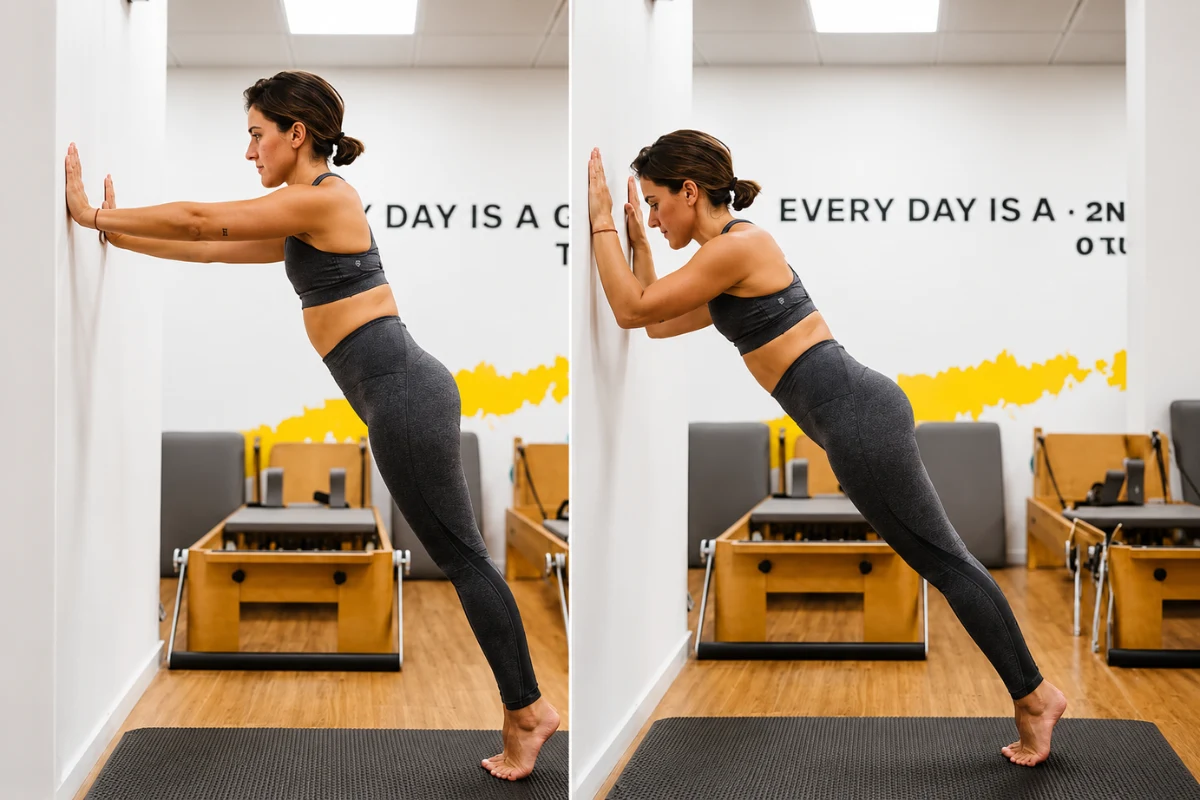
This exercise supports shoulder blade strength and helps train the muscles that control shoulder position.
How to do it
Stand facing a wall with hands placed on the wall at shoulder height. Perform a gentle wall push-up. At the end of the movement, push slightly further through the hands so the shoulder blades move forward around the ribcage.
Why it helps
It helps activate the muscles that stabilise the shoulder blade, which supports rotator cuff function.
Tips
- Keep the body straight
- Do not let the shoulders shrug
- Start with a small range
- Avoid pain
This is safer than floor push-ups for many people starting shoulder rehabilitation.
8. Prone Shoulder Row
Rows help strengthen the muscles around the shoulder blade and upper back, which can reduce unnecessary load on the rotator cuff.
How to do it
Lie face down on a bench or firm surface with the arm hanging down. Gently pull the elbow upward towards the side of the body, squeezing the shoulder blade back. Slowly lower.
Why it helps
It improves upper back and shoulder blade strength, which supports better shoulder mechanics.
Tips
- Use no weight or light weight first
- Avoid jerky movement
- Keep the neck relaxed
- Do not lift into pain
Good shoulder control depends on both rotator cuff and shoulder blade strength.
How Often Should You Do Rotator Cuff Exercises?
For prevention, rotator cuff strengthening may be done 2 to 4 times per week depending on your activity level and goals.
For rehabilitation after a Rotator Cuff Injury, the plan should be personalised. Some patients need daily gentle mobility. Others need strengthening only on selected days to avoid overload.
A general starting point may be:
- 2 sets of 10 repetitions
- Slow and controlled movement
- Light resistance
- No sharp pain
- Rest between exercises
- Gradual progress only when symptoms allow
Do not increase resistance too quickly. The rotator cuff muscles are small and can become irritated if overloaded.
What Should You Feel During These Exercises?
You may feel mild effort, warmth or muscle fatigue around the shoulder. That is normal.
You should not feel:
- Sharp pain
- Sudden catching
- Pain that increases after every set
- Pain spreading down the arm
- Numbness or tingling
- Loss of strength
- Night pain after exercising
If these symptoms appear, stop and get medical advice. Exercises should help the shoulder feel more controlled over time, not more irritated.
Common Mistakes People Make With Rotator Cuff Exercises
Many patients do the right exercises in the wrong way. This can delay recovery or increase discomfort.
Common mistakes include:
- Using heavy weights too early
- Moving too fast
- Ignoring pain
- Doing too many repetitions
- Shrugging the shoulder during exercises
- Forgetting shoulder blade control
- Training through fatigue
- Returning to sport too soon
- Skipping warm-up
- Treating every shoulder pain the same way
Rotator cuff strengthening should feel precise. It is not about pushing harder. It is about moving better.
Rotator Cuff Treatment: Where Do Exercises Fit?
Rotator Cuff Treatment depends on the diagnosis. A mild irritation, tendinopathy, impingement-related pain, partial tear or complete tear may all need different care.
Treatment may include:
- Activity modification
- Pain management
- Physiotherapy
- Rotator cuff strengthening
- Shoulder blade control exercises
- Imaging if symptoms persist
- Injection-based treatment in selected cases
- Surgical assessment when needed
Exercises are often an important part of care, but they are only one part of the plan.
For example, a patient with mild rotator cuff irritation may recover well with guided exercises and activity changes. A patient with a traumatic Rotator Cuff Tear and sudden weakness may need more detailed assessment before starting strengthening.
The right treatment begins with the right diagnosis.
Rotator Cuff Injury Prevention Tips
Prevention is especially important for people who train regularly, play sports or use their shoulders repeatedly for work.
To reduce the risk of Rotator Cuff Injury:
- Warm up before training
- Strengthen the rotator cuff regularly
- Train the shoulder blade muscles
- Avoid sudden increases in weight or repetitions
- Improve posture during desk work
- Take breaks from repeated overhead activity
- Keep movements controlled during gym exercises
- Avoid lifting with poor shoulder position
- Do not ignore recurring shoulder pain
- Get early assessment if pain persists
Small habits can protect the shoulder over time.
A Simple Weekly Shoulder Care Routine
For general prevention, a short routine may include:
- Pendulum swings for gentle mobility
- Shoulder blade squeezes for posture control
- External rotation with a light band
- Internal rotation with a light band
- Wall slides for controlled movement
- Wall push-up plus for shoulder blade support
This routine does not need to be long. Even 10 to 15 minutes done consistently can support better shoulder control.
However, if you already have pain or a known Rotator Cuff Tear, your programme should be adjusted by a specialist.
Final Thoughts
Rotator Cuff Exercises can be very helpful for improving shoulder strength, preventing injury and supporting recovery, but persistent pain, weakness or a suspected Rotator Cuff Tear should always be assessed before starting a strong exercise plan. At Dr Marouane’s Orthopedic Clinic, patients can receive specialized guidance for rotator cuff injuries and personalized treatment options. If you are experiencing persistent shoulder pain, especially during activities like lifting, reaching, or training, we encourage you to book a consultation today. Getting the right diagnosis is essential before determining your next steps. Take the first step toward an effective recovery plan with one of the leading orthopedic surgeons in Dubai. For more information, please contact us at +971 544 226 123.