

Stem Cell Therapy for Frozen Shoulder & Rotator Cuff Relief
Shoulder pain is one of the most common reasons people seek orthopaedic care, yet it is also one of the most misunderstood. When pain is combined with stiffness and limited movement, daily activities can quickly become difficult. Many patients begin searching for options that can help them recover faster and avoid surgery. This is where interest in stem cell therapy for frozen shoulder often arises.
Frozen shoulder and rotator cuff disorders are two of the most frequent causes of shoulder discomfort. While they can sometimes present with similar symptoms, the underlying mechanisms are different. Understanding these differences is essential when deciding on the most appropriate Shoulder Treatment. Regenerative approaches such as stem cell therapy are increasingly discussed in this context, particularly for patients seeking a non-surgical cure for shoulder stiffness.
An informed approach is important. Patients benefit most when treatment decisions are based on clear diagnosis, realistic expectations, and a structured recovery plan.
Understanding Frozen Shoulder and Adhesive Capsulitis
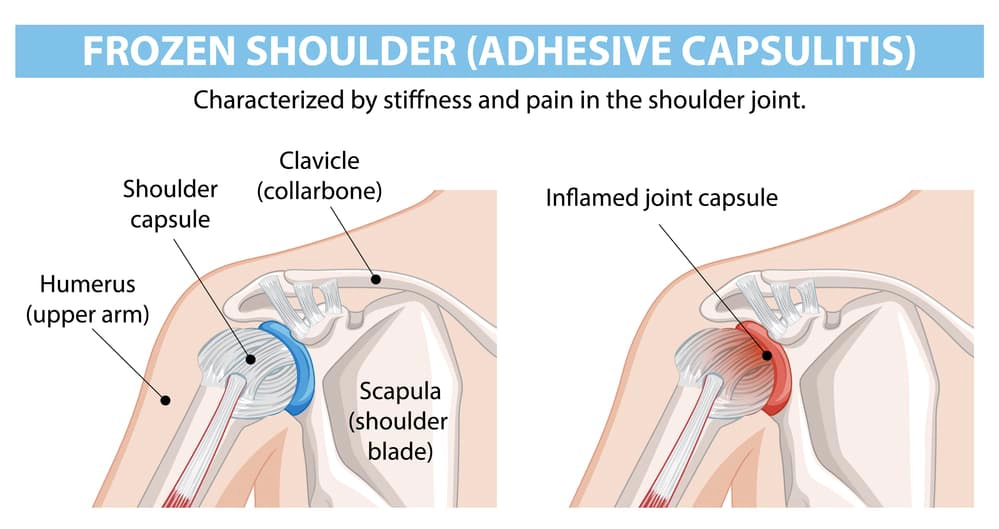 Frozen Shoulder, also referred to medically as Adhesive Capsulitis, occurs when the capsule surrounding the shoulder joint becomes inflamed and progressively thickened. The capsule normally allows the shoulder joint to move freely, but when inflammation and fibrosis develop, the capsule tightens and restricts movement.
Patients often notice a gradual onset of symptoms rather than a sudden injury. The shoulder becomes painful, stiff, and increasingly difficult to move. Everyday tasks such as reaching overhead, fastening clothing behind the back, or lifting objects may become challenging.
Common symptoms include:
- Persistent shoulder pain, often worse at night
- Difficulty reaching overhead or behind the back
- Reduced range of motion in multiple directions
- A feeling of tightness or resistance during movement
Unlike many other shoulder problems, frozen shoulder affects both active and passive movement. Even when the arm is assisted by another person, the shoulder may remain restricted.
The Typical Progression of Frozen Shoulder
Frozen shoulder often progresses through three stages:
- Painful stage
Pain gradually increases, especially during movement or at night. Shoulder mobility begins to decrease. - Stiff stage
Pain may reduce slightly, but stiffness becomes the dominant symptom. Daily activities are significantly affected. - Recovery stage
Movement slowly begins to return as the capsule gradually loosens.
This process can take several months and occasionally longer. The prolonged nature of recovery is one of the reasons patients begin exploring additional treatment options.
Rotator Cuff Disorders and Shoulder Pain
The Rotator Cuff consists of four tendons that stabilise the shoulder joint and assist with lifting and rotating the arm. When these tendons become irritated, inflamed, or partially torn, shoulder function may be compromised.
Rotator cuff disorders can develop gradually due to repetitive use, ageing, or degenerative changes within the tendon tissue.
Typical symptoms of Rotator Cuff problems include:
- Pain when lifting the arm or reaching overhead
- Weakness when carrying objects
- Discomfort during repetitive shoulder movements
- Night pain when lying on the affected shoulder
In contrast to Adhesive Capsulitis, patients with rotator cuff issues may still retain a significant amount of shoulder movement, but the movement is painful or weak.
However, prolonged pain can lead patients to limit shoulder movement, which sometimes results in secondary stiffness. This overlap between pain and stiffness is why accurate diagnosis is essential before choosing a treatment approach.
Why Accurate Diagnosis is Essential in Shoulder Treatment
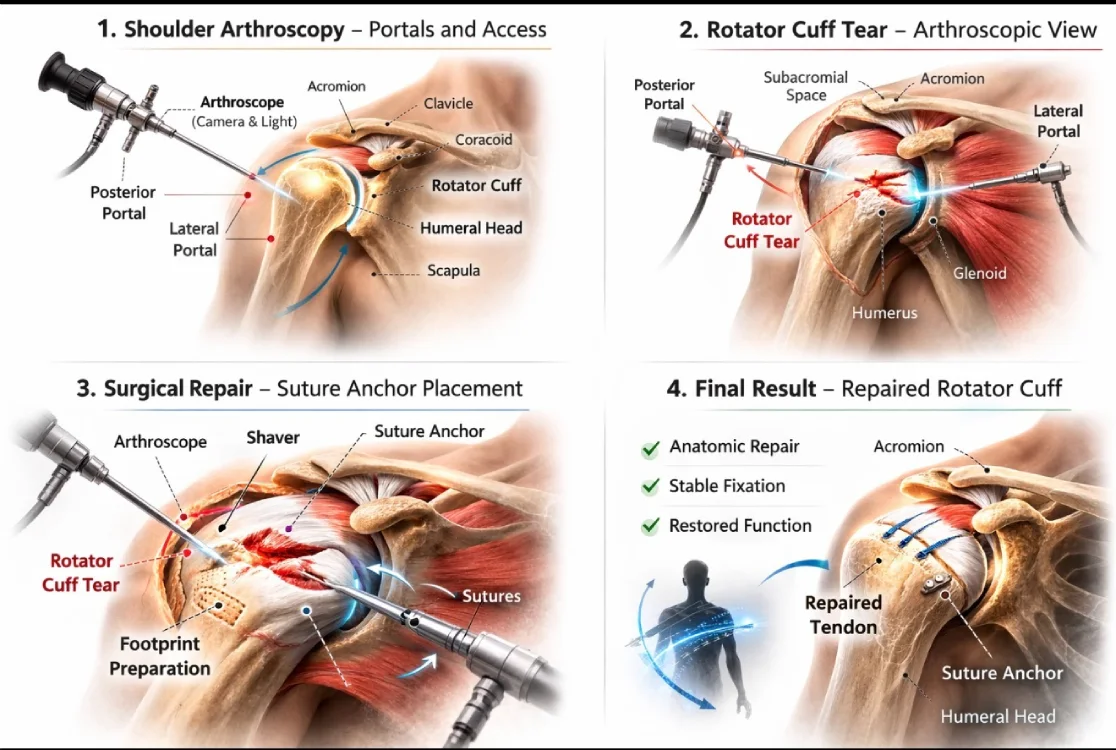 A clear diagnosis forms the foundation of effective Shoulder Treatment. Without understanding the primary cause of symptoms, even advanced therapies may fail to deliver meaningful improvement.
A thorough clinical assessment usually includes:
- Evaluation of active and passive shoulder movement
- Strength testing of the rotator cuff muscles
- Assessment of pain patterns and functional limitations
- Imaging studies, such as ultrasound or MRI, when necessary
In Frozen Shoulder, both active and passive movements are limited, particularly external rotation. In Rotator Cuff conditions, weakness and painful movement are often more prominent.
Distinguishing between these conditions ensures that treatment strategies are directed at the correct problem.
Regenerative Medicine and Shoulder Disorders
Over the past decade, regenerative medicine has gained attention in orthopaedics. Stem cell therapy is one of the approaches being explored for musculoskeletal conditions, including shoulder disorders.
Stem cells are capable of differentiating into various tissue types and releasing biological signals that may support healing processes. In orthopaedic applications, stem cells are generally used with the goal of enhancing tissue repair and modulating inflammation.
Interest in stem cell therapy for frozen shoulder stems from the potential ability of regenerative treatments to influence inflammatory and fibrotic processes within the shoulder capsule.
Similarly, in rotator cuff disorders, regenerative therapies are sometimes investigated for their potential role in improving tendon healing.
Stem Cell Therapy for Frozen Shoulder in Clinical Context
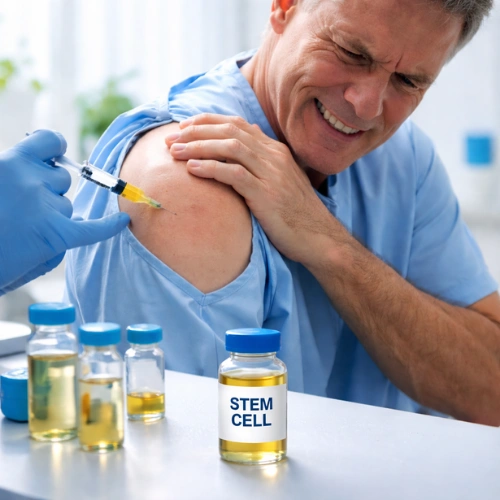 When discussing regenerative treatments, it is important to view them within the broader framework of shoulder care.
Frozen shoulder is characterised by capsular inflammation and progressive fibrosis. Treatments are often aimed at reducing inflammation, relieving pain, and restoring movement through physiotherapy.
Stem cell therapy has been investigated as a supportive intervention in this process. The biological signals released by stem cells may help regulate inflammatory pathways and influence tissue repair. By potentially reducing inflammation within the shoulder capsule, regenerative therapy may support improved mobility when combined with physiotherapy.
However, it is essential to recognise that regenerative therapy is not a standalone solution. Frozen shoulder recovery still relies heavily on gradual rehabilitation and consistent mobility exercises.
Stem Cells and Rotator Cuff Tendon Health
In Rotator Cuff disorders, regenerative therapies are sometimes explored as part of a conservative management strategy.
The rotator cuff tendons can develop degenerative changes over time, particularly in individuals with repetitive overhead activity or age-related tendon wear.
Some studies have investigated stem cell injections in rotator cuff tendinopathy and partial tendon tears. While the biological rationale is promising, research findings remain mixed, and outcomes can vary depending on patient selection and tendon condition.
This variability reinforces the importance of personalised treatment planning rather than relying on a single intervention.
 Realistic Expectations in Shoulder Recovery
Patients seeking advanced therapies often hope for rapid improvement. While regenerative treatments may support healing processes, shoulder recovery still follows biological timelines.
In most cases, progress occurs gradually.
Initial phase
The focus is on reducing inflammation and improving comfort. Gentle movement exercises are introduced to maintain mobility.
Intermediate phase
As pain improves, physiotherapy becomes more effective. Patients begin restoring range of motion and strength.
Functional recovery phase
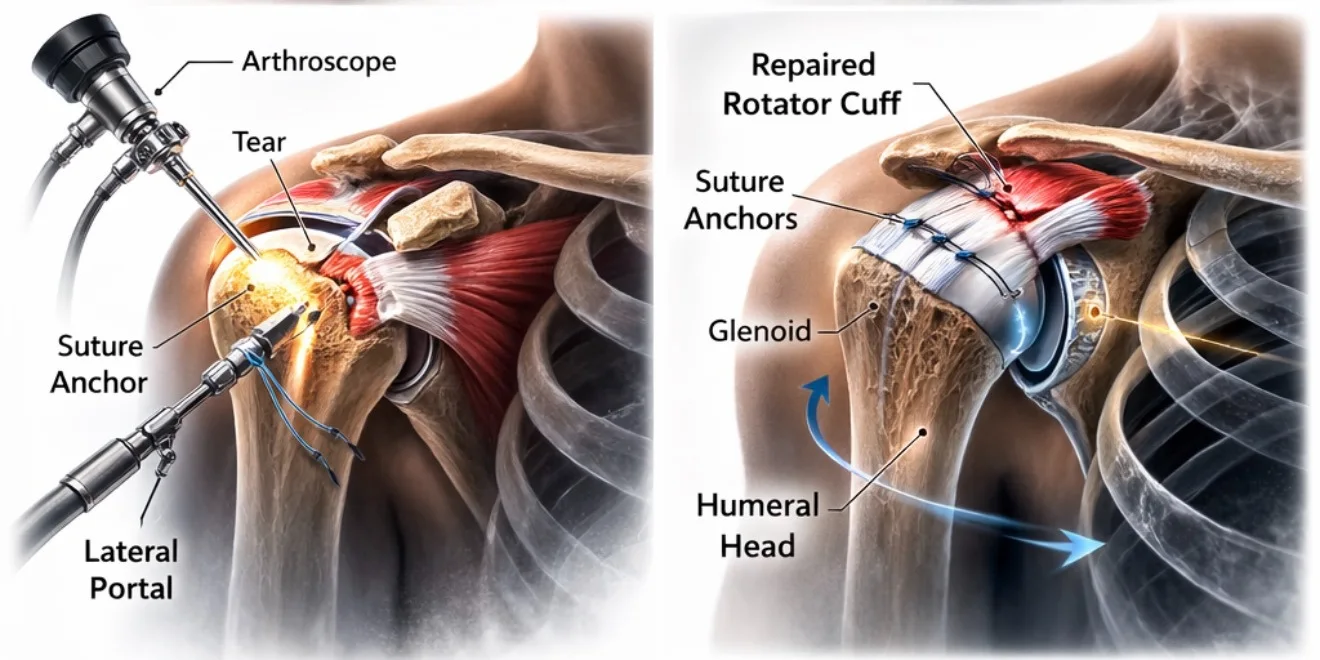
Strengthening of the Rotator Cuff and surrounding shoulder muscles helps restore stability and function.
Even when regenerative therapies are used, structured rehabilitation remains one of the most important components of recovery.
Who May Benefit from a Non-Surgical Shoulder Stiffness Approach
Many patients hope to manage shoulder stiffness without surgery. A non-surgical cure for shoulder stiffness is often possible when treatment is initiated at the right stage and guided by a structured plan.
Conservative treatment may be appropriate for patients who:
- Have early or mid-stage Frozen Shoulder
- Experience rotator cuff tendinopathy without major tendon rupture
- Have pain that limits rehabilitation progress
- Can participate actively in physiotherapy
Movement restoration, strengthening, and inflammation control remain key elements of treatment.
Supporting Shoulder Recovery Through Lifestyle and Rehabilitation
Medical treatment alone is rarely sufficient for shoulder recovery. Everyday habits and rehabilitation strategies play an equally important role.
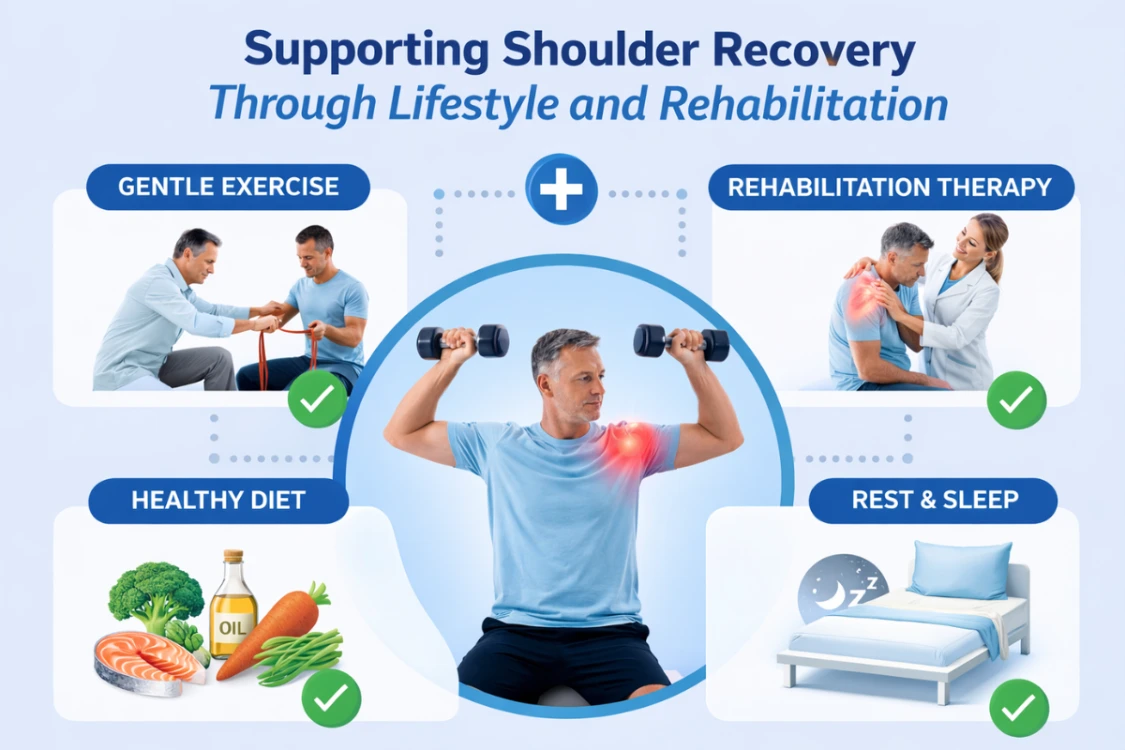
Maintaining gentle mobility
Regular, controlled movement exercises help maintain joint flexibility and prevent further stiffness. Short, consistent sessions tend to be more beneficial than occasional intense stretching.
Managing sleep posture
Patients often experience increased pain at night. Avoiding pressure on the affected shoulder and using supportive pillows can help reduce discomfort.
Gradual strengthening
As mobility improves, strengthening the Rotator Cuff and surrounding shoulder muscles becomes essential for restoring stability and preventing recurrence.
Consistency in rehabilitation
Recovery from Adhesive Capsulitis and rotator cuff disorders requires patience. Consistent rehabilitation efforts are often more important than the choice of any single intervention.
Common Questions About Frozen Shoulder and Rotator Cuff Conditions
Is Frozen Shoulder the same as Adhesive Capsulitis?
Yes. Adhesive Capsulitis is the medical term used to describe Frozen Shoulder.
Can rotator cuff problems cause shoulder stiffness?
Yes. Persistent pain from rotator cuff irritation may lead patients to reduce movement, which can eventually cause stiffness.
Do all shoulder problems require surgery?
No. Many cases of Frozen Shoulder and rotator cuff tendinopathy respond well to conservative treatment.
How long does frozen shoulder last?
Recovery varies, but improvement often occurs gradually over several months.
How can patients choose the Best Doctor for Shoulder Treatment in Dubai?
Patients should seek a specialist with focused expertise in shoulder conditions who provides thorough evaluation, personalised treatment plans, and clear guidance throughout recovery.
Conclusion
Stem cell therapy for frozen shoulder may be considered as part of a comprehensive Shoulder Treatment strategy for conditions such as Frozen Shoulder, Adhesive Capsulitis, and selected Rotator Cuff disorders when guided by accurate diagnosis and structured rehabilitation. Patients seeking expert care can consult Dr Marouane Bouloudhnine in Dubai @ +971 54 422 6123 to schedule an appointment and receive a personalised treatment plan.