

Mouse Tendinitis (De Quervain’s Disease): The Hidden Injury of the Digital Age
Most people expect wrist pain to happen after a fall, sports injury or heavy lifting. Few realise that something as routine as using a computer mouse, scrolling on a smartphone or working on a laptop for hours every day can gradually lead to a painful tendon condition.
As our daily lives become increasingly digital, hand and wrist overuse injuries are becoming more common than ever. One condition that hand surgeons frequently see is De Quervain’s Tenosynovitis, often referred to as “Mouse Tendinitis” because of its strong association with repetitive mouse and thumb movements.
What begins as mild discomfort near the thumb can slowly develop into persistent pain that affects work, exercise, household activities and even simple tasks like opening a jar or lifting a coffee cup. The good news is that early diagnosis and treatment can prevent the condition from becoming chronic and significantly improve recovery outcomes.
What Is Mouse Tendinitis?
Mouse Tendinitis is a common overuse injury affecting two important tendons that control thumb movement:
- Abductor Pollicis Longus (APL)
- Extensor Pollicis Brevis (EPB)
These tendons travel through a narrow tunnel on the thumb side of the wrist, known as the first dorsal compartment.
Under normal circumstances, the tendons glide smoothly within this tunnel. However, repetitive thumb and wrist movements can cause irritation, swelling and thickening of the tendon sheath.
As swelling increases, the available space becomes smaller, creating friction every time the thumb moves. This leads to a painful condition known medically as De Quervain’s Tenosynovitis.
Although many patients describe it as “mouse pain” or “thumb tendonitis,” the condition is actually a form of tendon entrapment caused by repetitive strain and overuse.
Why Is It Called the Hidden Injury of the Digital Age?
Modern lifestyles place tremendous demands on our hands.
Think about how many times each day you:
- Use a computer mouse
- Scroll through social media
- Send text messages
- Hold a smartphone
- Swipe on a tablet
- Play video games
- Type on a keyboard
- Use a laptop trackpad
These repetitive movements may seem harmless because they involve very little force. However, the problem is often the frequency rather than the intensity.
A person may perform thousands of small thumb and wrist movements every day without realising it.
Over time, this repetitive strain can overload the tendons around the thumb and wrist, leading to inflammation, pain and reduced function.
That is why many specialists now consider De Quervain’s disease one of the most common repetitive strain injuries of the digital era.
Understanding De Quervain’s Disease
De Quervain’s disease is not a disease in the traditional sense. It is an overuse condition involving irritation of the tendon sheath surrounding the thumb tendons.
The condition develops when:
- Tendons become irritated
- The tendon sheath thickens
- Swelling develops
- Tendon gliding becomes restricted
- Movement becomes painful
As the condition progresses, even simple thumb movements can trigger discomfort.
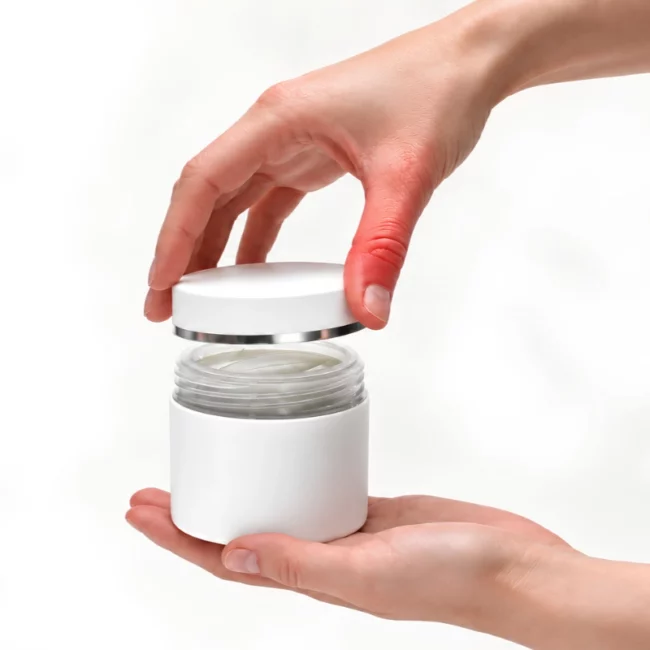
The pain is usually felt on the thumb side of the wrist and often worsens with gripping, pinching or lifting activities.
Without treatment, the cycle of irritation and inflammation may continue, making daily activities increasingly difficult.
Who Is Most at Risk?
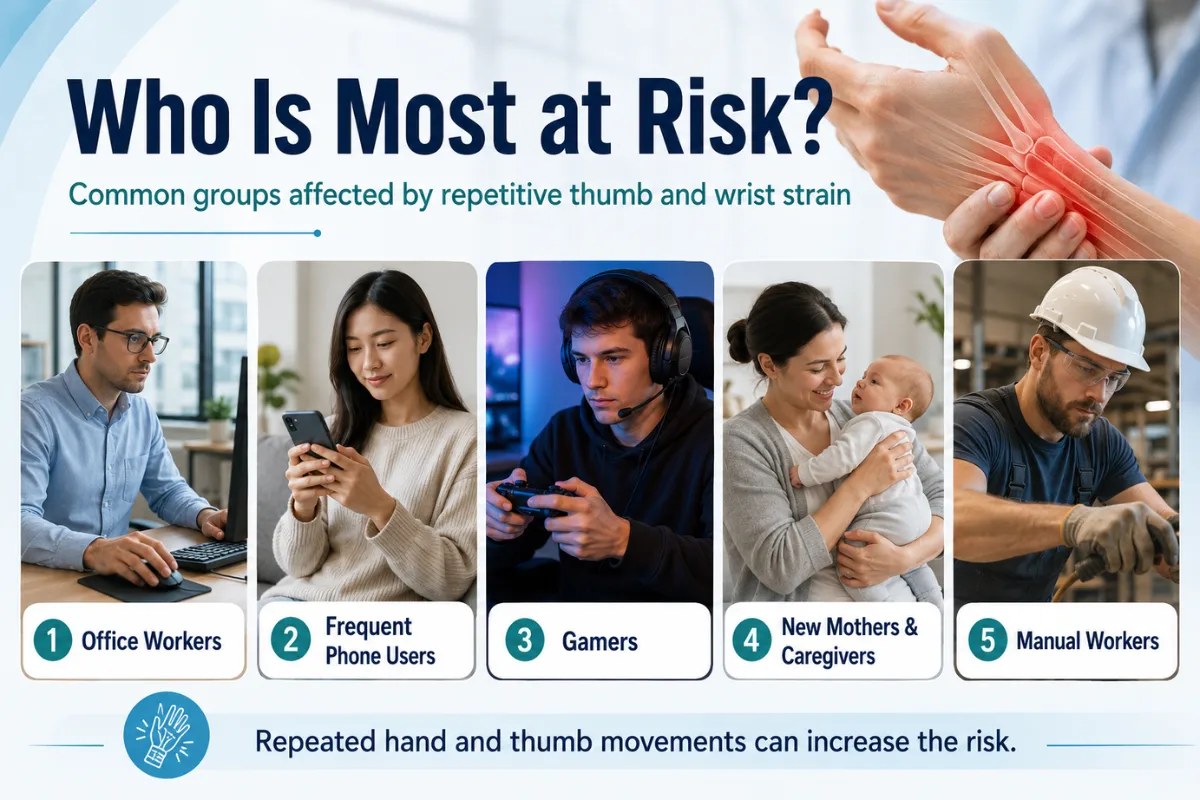
Although anyone can develop Mouse Tendinitis, certain groups are particularly vulnerable.
Office Workers
People who spend long hours using a mouse and keyboard often perform repetitive wrist and thumb movements throughout the day.
Poor workstation setup can further increase strain on the tendons.
Computer Programmers
Programmers frequently work for extended periods without adequate breaks, increasing repetitive stress on the hand and wrist structures.
Graphic Designers
Graphic design often involves continuous mouse use and repetitive precision movements that can overload the thumb tendons.
Gamers
Gaming sessions can last for hours, involving constant thumb movements, gripping and rapid hand activity.
Smartphone Users
Many patients are surprised to learn that excessive smartphone use can contribute significantly to De Quervain’s disease.
Scrolling, texting and holding a phone for long periods place repetitive stress on the thumb tendons.
Parents of Young Children
Lifting babies repeatedly, especially under the arms, places strain on the thumb side of the wrist.
This is so common that De Quervain’s disease is sometimes referred to as “mother’s thumb.”
Manual Workers
Any occupation involving repetitive gripping, lifting or wrist deviation can increase risk.
Common Symptoms of Mouse Tendinitis
Symptoms usually develop gradually rather than appearing suddenly.
The earliest signs may be mild and easy to ignore.
Common symptoms include:
Pain on the Thumb Side of the Wrist
This is the most typical symptom.
Pain is usually located near the base of the thumb and may extend slightly into the forearm.
Pain During Gripping Activities
Patients often notice discomfort when:
- Opening jars
- Turning keys
- Carrying shopping bags
- Lifting objects
- Holding a child
- Using tools
Swelling Near the Base of the Thumb
Some patients develop visible swelling around the affected tendon area.
The region may feel tender to the touch.
Difficulty Moving the Thumb
Thumb movement may become painful or feel restricted.
Activities requiring thumb strength often become challenging.
Reduced Grip Strength
Many patients report feeling weaker when holding objects.
Items may slip unexpectedly from the hand.
Pain During Mouse or Smartphone Use
Symptoms often worsen after prolonged computer work or mobile phone use.
This worsening pattern is an important clue during diagnosis.
Clicking or Catching Sensation
As the tendon becomes more irritated, some patients experience a snapping or catching sensation during thumb movement.
This may indicate progression of the condition.
The Early Warning Signs People Often Ignore
One reason De Quervain’s disease becomes chronic is that many patients dismiss the early symptoms.
Common warning signs include:
- Mild thumb discomfort after work
- Wrist soreness after using a smartphone
- Temporary pain while lifting objects
- Morning stiffness around the thumb
- Intermittent tenderness at the wrist
Because symptoms may disappear after rest, patients often delay seeking treatment.
Unfortunately, the underlying irritation may continue to worsen.
What Happens If Mouse Tendinitis Is Left Untreated?

Ignoring symptoms can allow the condition to progress significantly.
Over time, ongoing tendon irritation can lead to:
Chronic Inflammation
Persistent inflammation can make symptoms more difficult to treat.
Recovery often takes longer in chronic cases.
Stenosing Tenosynovitis
The tendon sheath may thicken, narrowing the tunnel even further.
This can create a tendon entrapment problem.
Significant Functional Limitation
Daily activities become more difficult.
Simple tasks that were once effortless may become painful.
Reduced Productivity at Work
Typing, mouse use and repetitive hand tasks may become increasingly uncomfortable.
This can affect performance and concentration.
Persistent Pain
Patients may begin experiencing pain even when not actively using the hand.
Night discomfort can also develop.
Compensatory Movement Problems
To avoid pain, patients often change how they use their hand.
This may place additional strain on other parts of the wrist, elbow or upper limb.
How Is De Quervain’s Disease Diagnosed?
Diagnosis usually begins with a detailed history and physical examination.
A specialist will typically ask:
- When symptoms started
- Which activities trigger pain
- Whether work involves repetitive hand use
- How smartphone and computer use affect symptoms
- Whether grip strength has changed
The examination focuses on:
- Thumb movement
- Wrist movement
- Tendon tenderness
- Grip strength
- Functional hand use
One commonly used clinical test is the Finkelstein test, which reproduces pain by placing controlled stress on the affected tendons.
In some cases, ultrasound imaging may be used to evaluate tendon swelling and tendon sheath thickening.
Mouse Tendinitis Treatment Options

Treatment depends on symptom severity, duration and functional impact.
The earlier treatment begins, the easier recovery tends to be.
1. Activity Modification
Reducing repetitive thumb and wrist movements is often the first step.
This may involve:
- Limiting prolonged mouse use
- Reducing smartphone use
- Taking more frequent breaks
- Avoiding repetitive gripping activities
The goal is to reduce ongoing tendon irritation.
2. Ergonomic Correction
Many patients benefit significantly from workstation adjustments.
Helpful changes may include:
- Proper desk height
- Better mouse positioning
- Wrist support
- Ergonomic mouse devices
- Improved keyboard placement
Small changes can substantially reduce tendon strain.
3. Thumb Spica Splint
A thumb spica splint immobilises the thumb and wrist, allowing the irritated tendons to rest.
This is often effective during the early stages of treatment.
Splint use may reduce pain and support healing.
4. Anti-Inflammatory Medication
Medication may be recommended to reduce pain and inflammation.
However, medication should support treatment, not replace activity modification and rehabilitation.
5. Hand Therapy
Specialised hand therapy can help restore tendon mobility and function.
Treatment may include:
- Gentle stretching
- Tendon gliding exercises
- Strengthening programmes
- Activity modification education
- Ergonomic guidance
Therapy helps patients return safely to normal activities.
6. Ultrasound-Guided Corticosteroid Injection
For patients with persistent symptoms, an ultrasound-guided corticosteroid injection may be considered.
The injection aims to reduce inflammation around the tendon sheath.
Ultrasound guidance improves accuracy by ensuring medication reaches the intended area.
Many patients experience significant symptom relief following injection treatment.
7. PRP and Regenerative Medicine
In selected cases, regenerative medicine approaches may be discussed.
Platelet-Rich Plasma (PRP) treatment involves using a concentrated portion of the patient’s own blood to support healing.
PRP may be considered for patients with chronic tendon-related conditions where traditional treatment has not provided sufficient improvement.
Not every patient is a suitable candidate, which is why specialist assessment remains important.
When Is Surgery Necessary?
Most patients improve without surgery.
However, surgery may be considered when:
- Symptoms remain severe
- Conservative treatment fails
- Function is significantly affected
- Pain continues despite injections and therapy
- Chronic tendon entrapment develops
De Quervain’s Release Surgery
The procedure involves releasing the tight tendon compartment that is compressing the tendons. This type of procedure falls under wrist surgery, performed under local or regional anaesthesia with a short recovery period.
This creates more space for tendon movement and reduces friction.
The surgery is typically straightforward and highly effective when appropriately indicated.
Recovery After Treatment
Recovery depends on how early the condition is treated.
Mild cases often improve within weeks when activity modification and splinting are started early.
More chronic cases may require:
- Several weeks of therapy
- Gradual return to activity
- Ongoing ergonomic adjustments
- Structured rehabilitation
Patients who undergo surgery typically require a rehabilitation period before returning to unrestricted activities.
Prevention Tips for the Digital Age
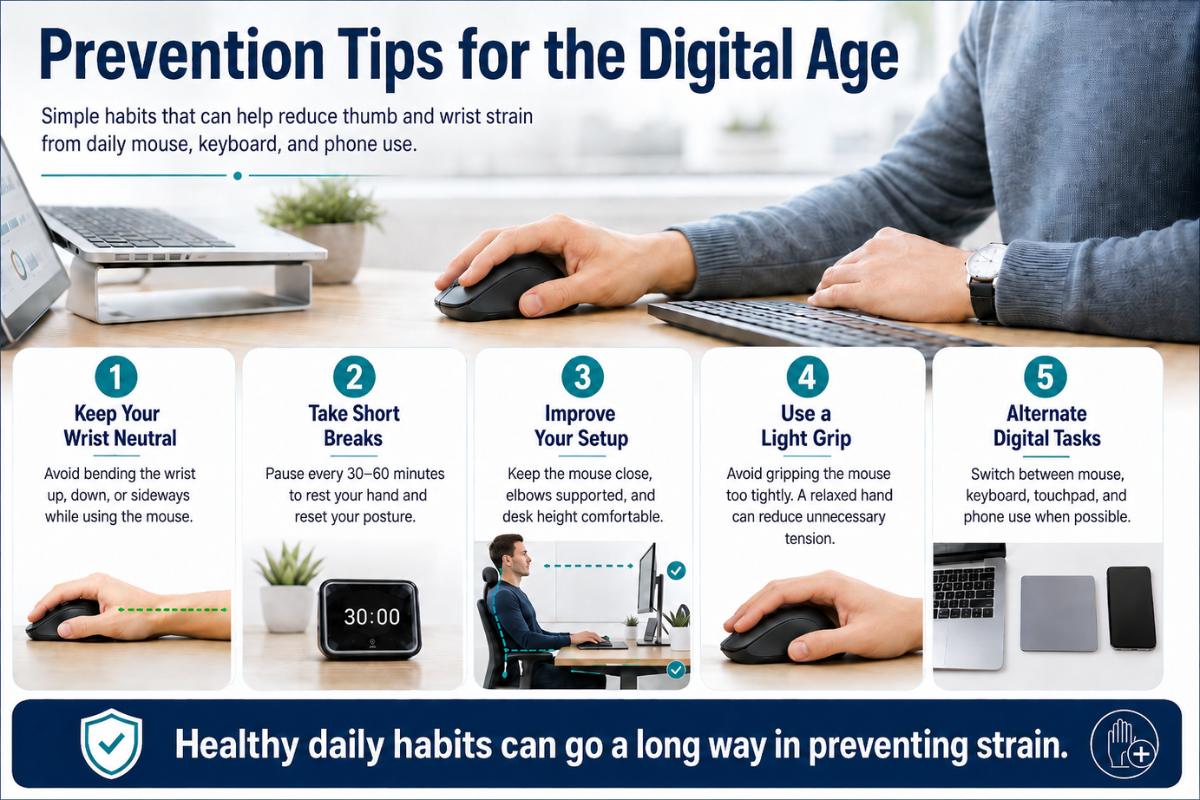 Preventing Mouse Tendinitis is often easier than treating it.
Maintain Proper Ergonomics
Keep your wrist in a neutral position while working.
Avoid excessive bending or awkward postures.
Use an Ergonomic Mouse
Specialised ergonomic devices may reduce strain on the thumb and wrist.
Take Frequent Breaks
A short break every 30 to 60 minutes can help reduce repetitive stress.
Stretch Regularly
Simple wrist and thumb stretches can help maintain flexibility.
Limit Continuous Smartphone Use
Try alternating hands and reducing prolonged scrolling sessions.
Listen to Early Symptoms
Persistent discomfort is not normal.
Addressing symptoms early often prevents progression.
Why Early Diagnosis Matters
One of the biggest mistakes patients make is waiting until the pain becomes severe.
Early-stage De Quervain’s disease is often much easier to treat than chronic tendon entrapment.
The sooner the condition is identified, the more treatment options are available and the lower the risk of long-term functional limitations.
Persistent thumb or wrist pain should never be viewed as a normal consequence of modern technology use.
Pain is a signal that something needs attention.
Final Thoughts
Mouse Tendinitis, or De Quervain’s disease, is one of the most common overuse injuries seen in today’s digital world, affecting people who spend long hours using computers, smartphones and other handheld devices. At Dr Marouane’s Hand to Shoulder Clinic in Dubai, patients can receive specialist assessment and personalised treatment for thumb and wrist tendon conditions by contacting +971 544 226 123. If thumb-side wrist pain is interfering with your work, exercise or daily activities, book a consultation today and address the problem before it becomes a chronic condition.