
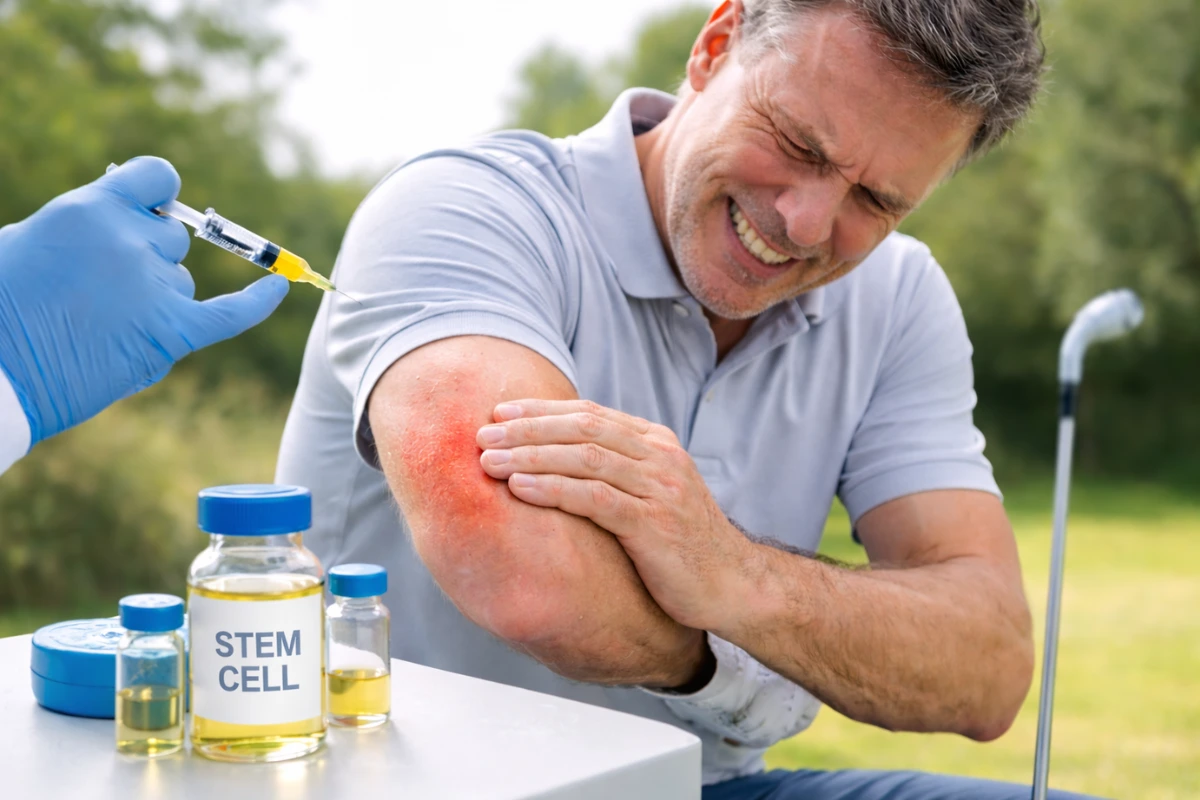
Stem Cell Therapy for Golfer’s Elbow Pain Relief
Persistent Elbow Pain can quietly interfere with everyday life. Tasks that normally feel simple, such as lifting a grocery bag, gripping a steering wheel, or shaking hands, can suddenly become uncomfortable. When this discomfort develops on the inner side of the elbow and continues for weeks, it is often linked to a condition called Medial Epicondylitis, commonly known as golfer’s elbow.
Many patients initially assume the pain will disappear with rest. However, when symptoms persist, they begin exploring more advanced options for Golfer’s Elbow Treatment, including regenerative approaches such as stem cells for golfers’ elbow. Understanding the condition and the role of modern treatment strategies is essential before deciding on the best course of action.
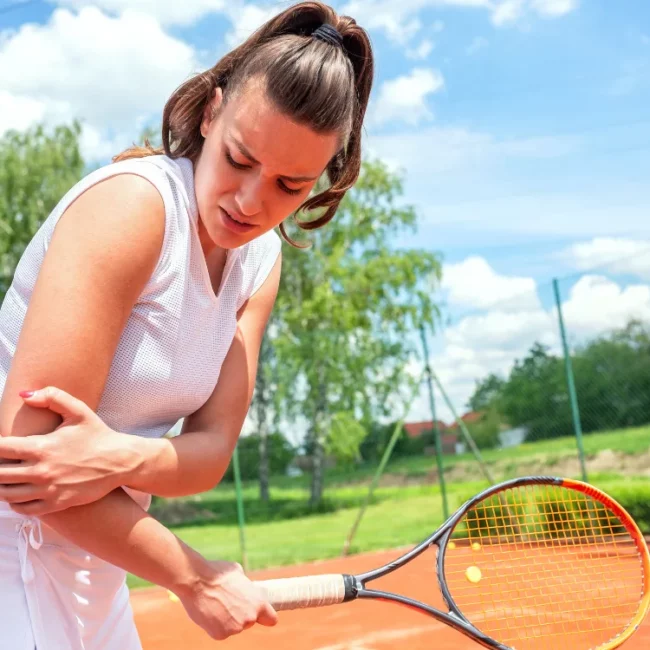
Golfer’s elbow is not limited to athletes. In fact, most people who develop this condition are not golfers at all. It often affects individuals whose daily activities involve repetitive gripping, lifting, or wrist movements.
Understanding Golfer’s Elbow and Medial Epicondylitis
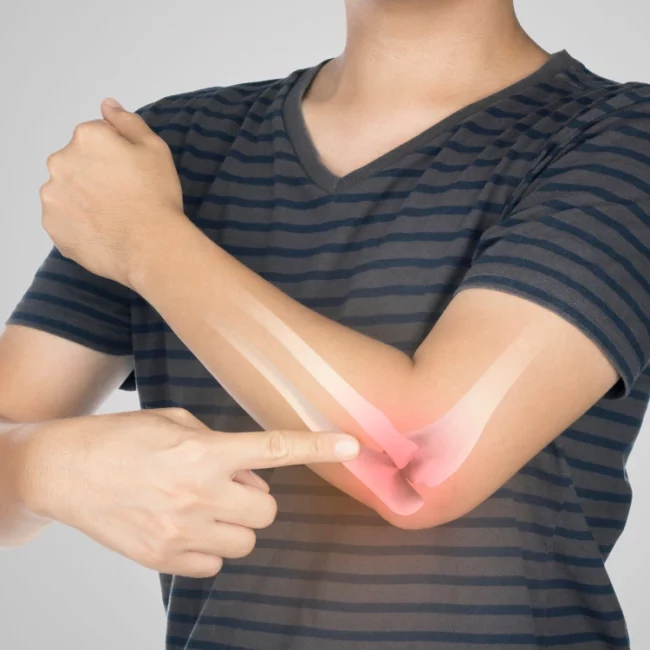
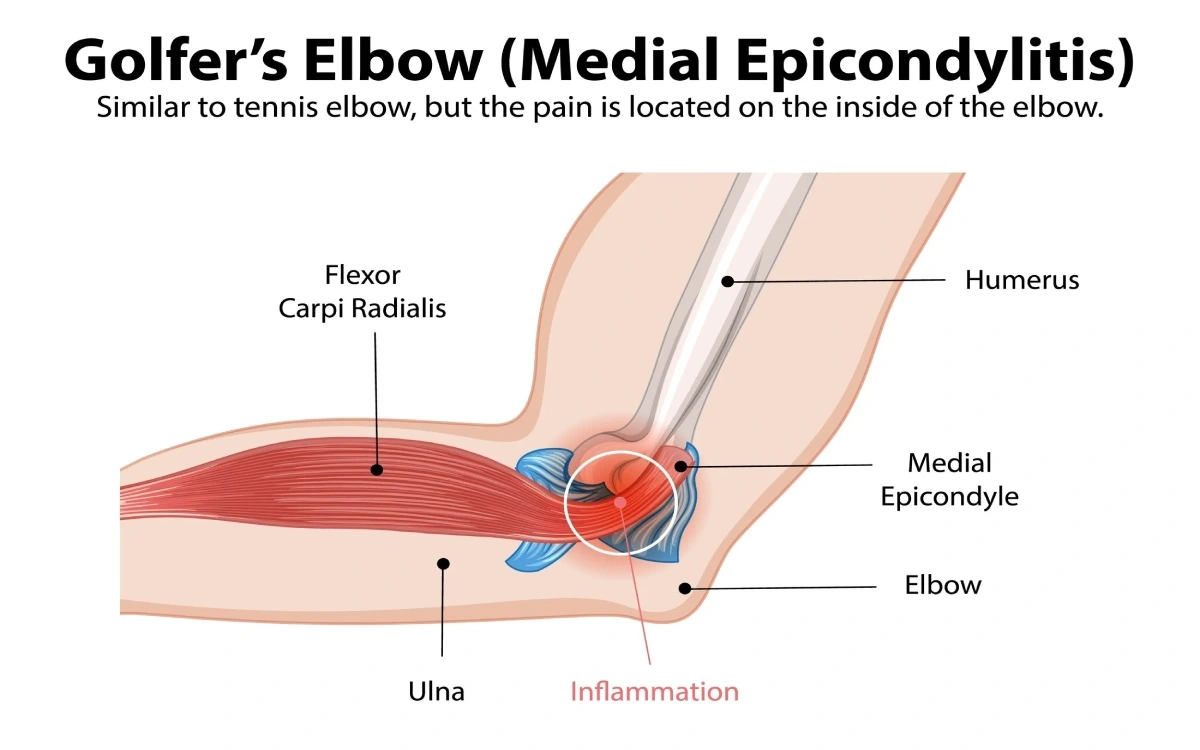 Medial Epicondylitis refers to irritation or degeneration of the tendons that attach to the inner side of the elbow. These tendons connect the forearm muscles to the bone and help control wrist and finger movements.
When these tendons are repeatedly stressed, microscopic damage can occur within the tendon fibres. Over time, this leads to inflammation, degeneration, and pain in the inner elbow.
Patients commonly describe the following symptoms:
- Pain or tenderness on the inner side of the elbow
- Discomfort that worsens with gripping or lifting
- Weakness in the hand or forearm
- Pain that may extend into the forearm
- Increased discomfort during repetitive wrist movements
Although the condition is commonly referred to as golfer’s elbow, the majority of patients develop it through daily activities such as manual work, sports, gym training, or prolonged computer use.
Why Golfer’s Elbow Develops
The underlying issue in Medial Epicondylitis is repeated strain placed on the tendons of the forearm flexor muscles. When these tendons are overloaded without sufficient recovery time, they begin to weaken and degenerate.
Several factors can contribute to the development of golfer’s elbow:
- Repetitive wrist flexion and gripping movements
- Overuse during sports such as golf, tennis, or weightlifting
- Manual occupations requiring repetitive hand activity
- Poor lifting techniques or a sudden increase in physical activity
- Age-related tendon degeneration
Over time, this repeated stress leads to tendon irritation and persistent Elbow Pain.
Recognising the Symptoms Early
Early symptoms of golfer’s elbow may appear mild but gradually intensify if the underlying stress continues.
The most common warning signs include:
- Tenderness along the inner elbow
- Pain when gripping objects or making a fist
- Weakness when lifting items
- Stiffness or discomfort when bending the elbow
- Pain that increases with repetitive wrist movements
Without appropriate management, the condition can become chronic and significantly affect work or physical activity.
Diagnosing Medial Epicondylitis
A detailed clinical assessment is usually sufficient to diagnose Medial Epicondylitis. During examination, doctors typically evaluate:
- Location of tenderness along the inner elbow
- Pain during resisted wrist flexion
- Grip strength and forearm muscle function
- Range of elbow movement
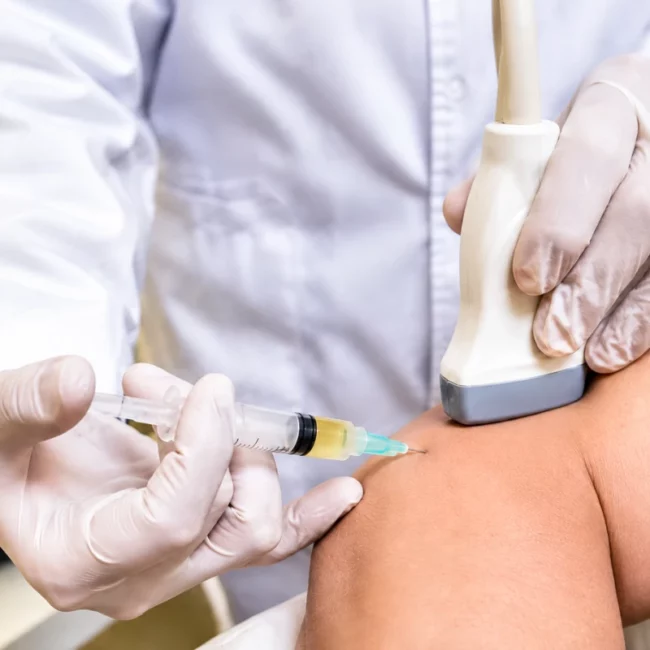
Imaging studies, such as ultrasound or MRI, may be recommended when symptoms persist or when other conditions need to be excluded.
These imaging techniques help assess the condition of the tendon tissue and guide treatment planning.
Conventional Approaches to Golfer’s Elbow Treatment
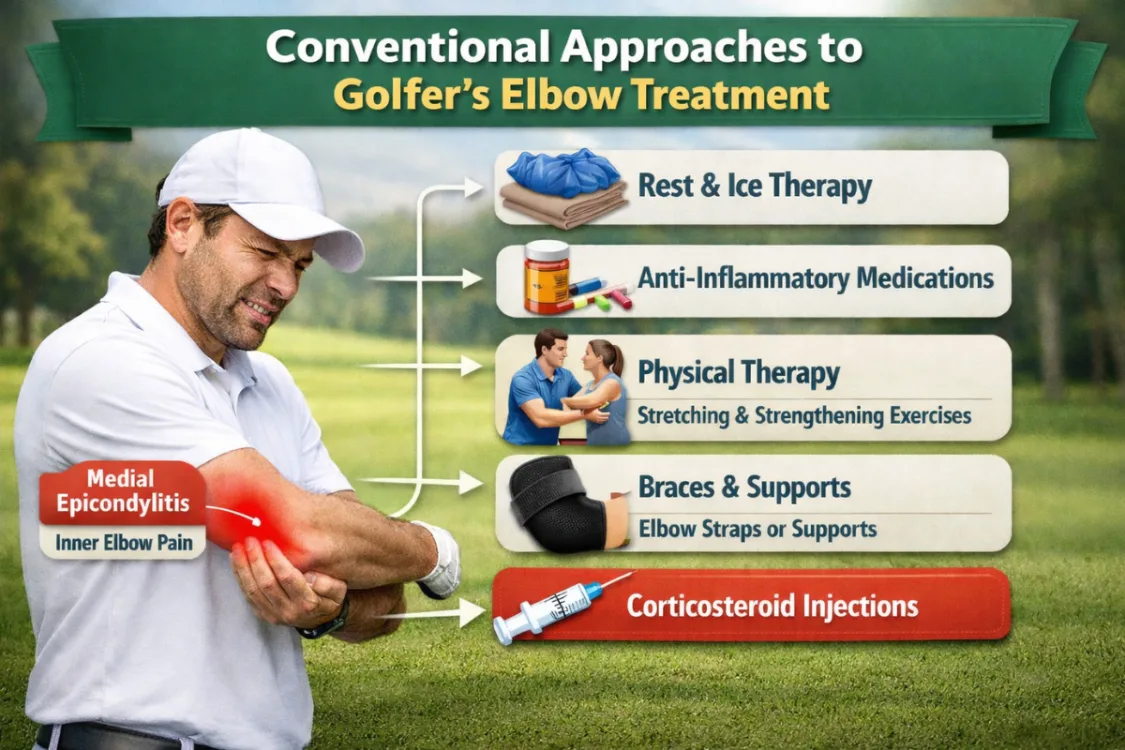 The majority of cases of golfer’s elbow can be managed with conservative treatments.
Typical Golfer’s Elbow Treatment options include:
- Activity modification to reduce repetitive strain
- Physiotherapy to strengthen forearm muscles
- Anti-inflammatory medication when required
- Bracing or supportive straps to reduce tendon stress
- Guided rehabilitation exercises
These approaches aim to reduce inflammation, promote tendon recovery, and gradually restore strength.
However, recovery can sometimes be slow. In cases where symptoms persist despite conservative care, regenerative therapies may be considered.
The Role of Regenerative Medicine in Tendon Healing
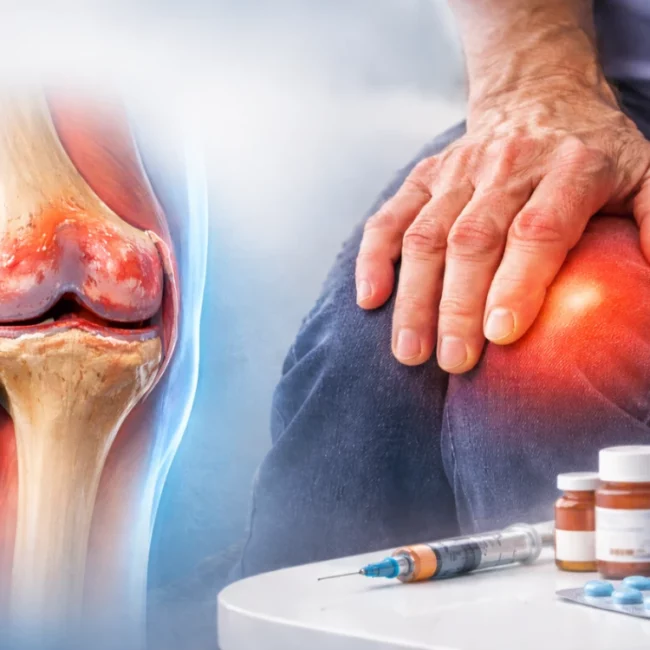
Regenerative medicine focuses on supporting the body’s natural healing processes. In tendon injuries such as Medial Epicondylitis, this approach aims to improve the biological environment within the injured tissue.
Stem cells can release biological signals that promote tissue repair, reduce inflammation, and encourage the regeneration of damaged cells.
Because tendon injuries often involve degeneration rather than acute inflammation, regenerative therapies have gained interest as a potential support for healing.
Stem Cell for Golfers’ Elbow: How It May Support Recovery
The use of stem cells for golfers’ elbow is being explored as part of regenerative orthopaedic care. The goal of this therapy is to support tendon repair by delivering biologically active cells to stimulate healing in damaged tissue.
In the context of Medial Epicondylitis, stem cells may help by:
- Modulating inflammatory processes
- Encouraging tissue repair within the tendon
- Supporting regeneration of damaged tendon fibres
These biological effects may contribute to improved tendon function when combined with structured rehabilitation.
It is important to emphasise that regenerative therapy is not a replacement for rehabilitation. Instead, it may support the healing process alongside physiotherapy and activity modification.
Rehabilitation Remains Central to Recovery
 Regardless of the treatment chosen, structured rehabilitation plays a vital role in recovery from golfer’s elbow.
Rehabilitation typically focuses on:
Restoring tendon strength
Strengthening exercises help improve the resilience of the forearm flexor muscles and reduce strain on the injured tendon.
Improving movement patterns
Correcting wrist and forearm mechanics during work or sports can prevent repeated tendon stress.
Gradual return to activity
Patients are guided through a progressive return to normal activities to ensure the tendon adapts safely to increasing load.
Consistency in rehabilitation is often the most important factor in achieving long-term improvement.
When Persistent Elbow Pain Requires Further Evaluation
Most cases of golfer’s elbow improve with conservative care. However, some patients experience prolonged symptoms that interfere with work or sport.
Further assessment may be recommended when:
- Pain continues for several months despite treatment
- Weakness significantly limits daily activities
- The diagnosis is uncertain
- Imaging suggests tendon degeneration
In such situations, exploring additional options such as regenerative therapy may be appropriate.
Preventing Recurrence of Golfer’s Elbow
Preventing recurrence involves addressing the factors that initially caused tendon overload.
Important preventive strategies include:
- Gradually increasing physical activity intensity
- Strengthening forearm and wrist muscles
- Improving ergonomics during work tasks
- Maintaining flexibility in the wrist and forearm muscles
- Allowing adequate recovery time between repetitive activities
By reducing tendon strain and improving muscle balance, patients can significantly lower the risk of recurring symptoms.
Common Questions About Golfer’s Elbow
Is golfer’s elbow limited to golfers?
No. Despite the name, most patients with Medial Epicondylitis are not golfers. The condition commonly affects individuals performing repetitive hand or wrist movements.
Can golfer’s elbow heal without surgery?
Yes. Many patients recover with conservative treatment and rehabilitation.
How long does recovery usually take?
Recovery time varies depending on severity, but symptoms may improve gradually over several weeks or months.
When should regenerative treatments be considered?
They may be discussed when symptoms persist despite appropriate rehabilitation and conservative care.
What is the most important factor in recovery?
A structured rehabilitation programme that gradually restores tendon strength and movement patterns.
Conclusion
Stem cell therapy for golfers’ elbow may be considered as part of a comprehensive Golfer’s Elbow Treatment strategy for persistent Elbow Pain and Medial Epicondylitis when guided by accurate diagnosis and rehabilitation. Patients seeking expert care for inner elbow pain relief in Dubai can consult Dr Marouane Bouloudhnine at the Hand to Shoulder Clinic on Sheikh Zayed Road, Dubai, by calling +971 54 422 6123 to schedule a consultation.