
PRP Therapy in Dubai: How Platelet-Rich Plasma Speeds Up Healing
PRP Therapy Dubai has become one of the most talked-about options in regenerative orthopaedic care, especially for people who want to heal better without immediately jumping to more invasive treatments. Whether it is a painful shoulder, an irritated elbow, a wrist injury that keeps coming back, or a tendon problem that refuses to settle, many patients are now asking the same question: “Can my own body help repair this?”
That is exactly where PRP Treatment becomes interesting. It is not a magic injection, and it is not a shortcut that replaces proper diagnosis, rehabilitation or medical decision-making. But when used for the right patient, at the right time, and for the right condition, Platelet-Rich Plasma can support the body’s natural healing response in a focused and medically guided way.
What Is PRP Therapy?
PRP stands for Platelet-Rich Plasma. It is a treatment made from a small sample of your own blood.
Your blood contains different components, including red blood cells, white blood cells, plasma and platelets. Platelets are well known for helping the blood clot after an injury, but they also contain growth factors and healing signals that play a role in tissue repair.
During PRP Therapy, a small amount of blood is taken from your arm and placed into a special machine called a centrifuge. This machine spins the blood at high speed to separate and concentrate the platelet-rich portion.
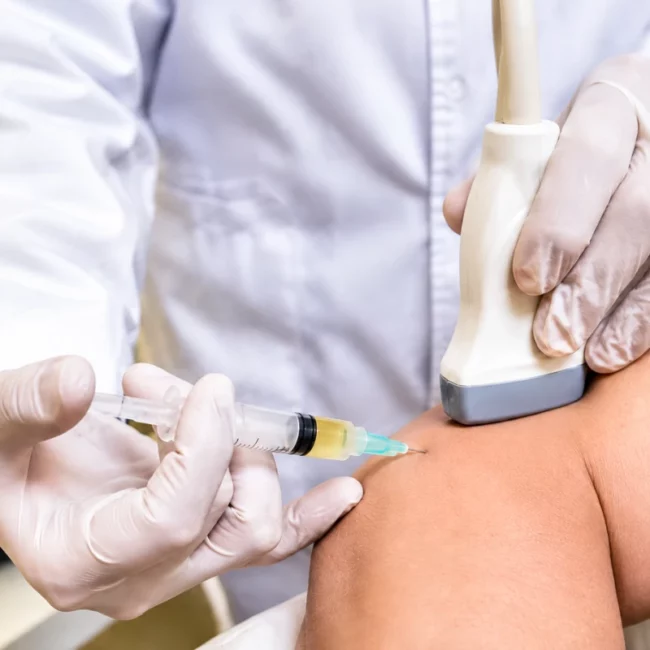
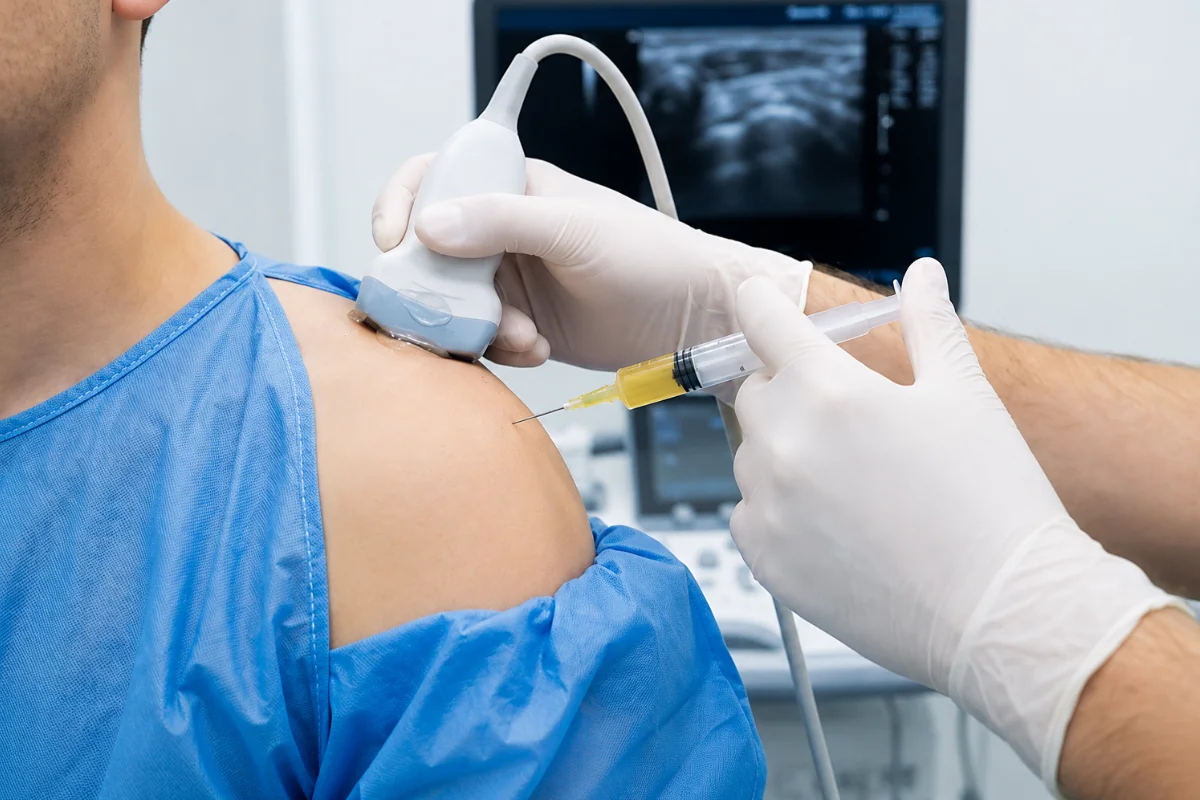
That concentrated plasma is then injected into the injured or painful area, such as a tendon, ligament, joint or soft tissue structure.
The idea is simple: take the body’s natural healing cells, concentrate them, and place them exactly where healing support is needed.
PRP Therapy Dubai: Why Is It Becoming Popular?
In a city like Dubai, many people lead active, fast-moving lives. Patients do not only want pain relief. They want to return to work, sport, training, family activities and daily function with more confidence.
This is one reason PRP Therapy Dubai has gained attention among patients with sports injuries, tendon pain, overuse injuries and early joint problems. It offers a biological approach to healing rather than only masking pain.
Traditional pain-relief injections may help reduce discomfort for a period of time. PRP Treatment works differently. It is designed to support the healing environment inside the affected tissue.
That is why it falls under the broader field of Regenerative Medicine.
Regenerative Medicine focuses on helping the body repair, restore and recover using biological treatments. In orthopaedics, this approach is especially useful when the goal is not only to reduce pain but also to improve tissue quality and support long-term function.
How Does PRP Treatment Help Healing?
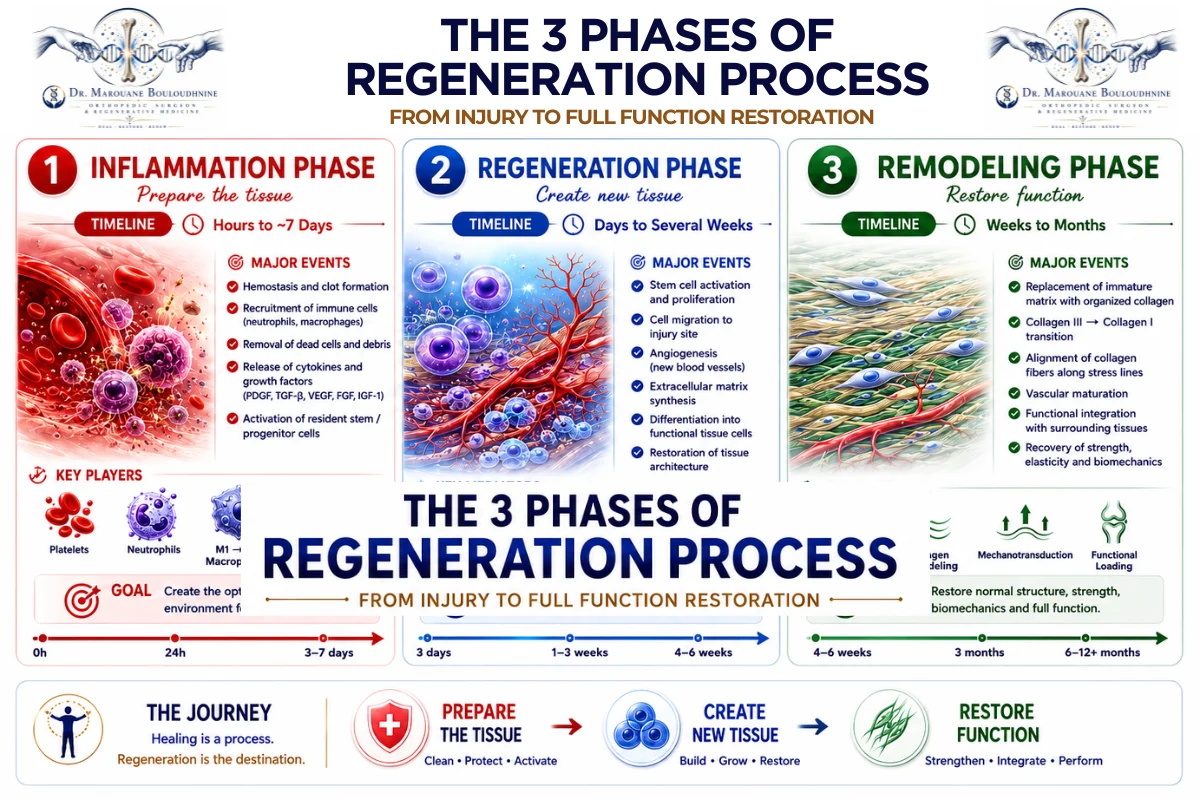
When a tendon, ligament or joint is irritated, injured or overloaded, the body naturally tries to repair it. But sometimes healing slows down.
This may happen because of:
- Poor blood supply in certain tissues
- Repeated stress on the same area
- Chronic inflammation
- Delayed diagnosis
- Returning to activity too quickly
- Age-related tissue changes
- Previous injury in the same region
PRP Treatment helps by delivering a higher concentration of platelets to the affected area. These platelets release growth factors that may help stimulate repair, calm irritation and improve the tissue healing response.
Think of it like this: when the body sends a repair team to an injury, PRP brings more of that repair team to the exact site that needs attention.
It does not rebuild tissue overnight. It does not instantly erase pain. But it may help create a better biological environment for healing.
For many patients, this is the real value of PRP Therapy. It supports a process, rather than forcing a quick, temporary result.
Conditions Where PRP May Be Considered
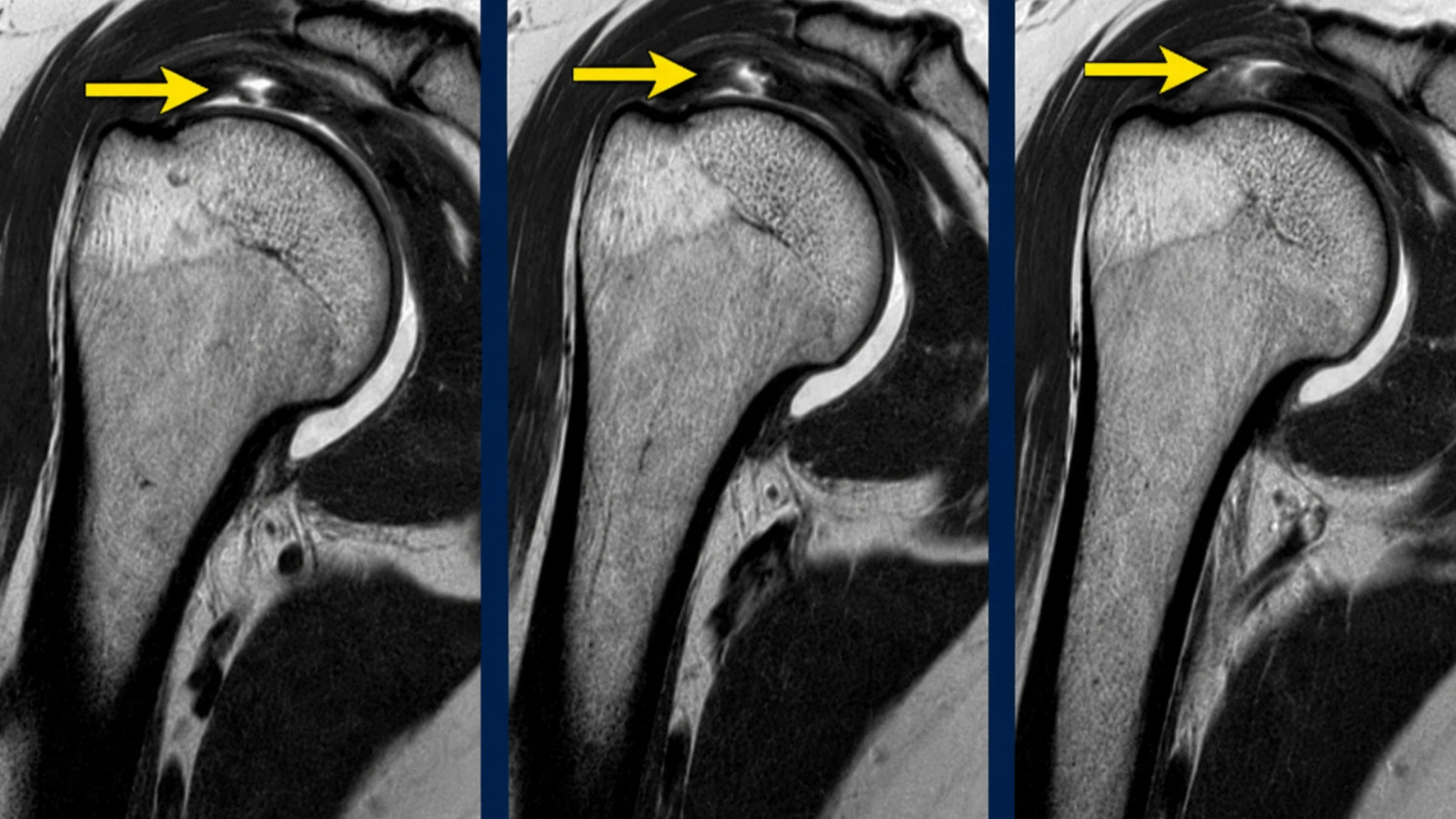
PRP is not suitable for every pain complaint, and it should never be used without a proper diagnosis. However, in orthopaedic care, PRP Treatment may be considered for selected upper-limb and sports-related conditions.
These may include:
- Rotator cuff tendinopathy
- Shoulder tendon irritation
- Tennis elbow
- Golfer’s elbow
- Wrist tendon inflammation
- Hand and wrist soft tissue injuries
- Ligament sprains
- Chronic tendon pain
- Certain sports-related injuries
- Early joint wear in selected cases
- Persistent pain after overuse injuries
For Dr Marouane’s area of expertise, the focus is hand-to-shoulder care. This means PRP is usually considered in relation to the shoulder, elbow, wrist and hand, depending on the patient’s condition and clinical findings.
The important point is that the diagnosis comes first.
A painful elbow is not always tennis elbow. A painful shoulder is not always a rotator cuff issue. A painful wrist after a fall may involve ligament damage, tendon irritation or another structural problem.
PRP Therapy works best when the exact source of pain is understood.
Why Diagnosis Matters Before PRP
One common mistake patients make is asking for PRP before knowing what is actually wrong.
This is understandable. PRP sounds promising, and many people search online for “PRP Therapy Dubai” after months of pain. But no injection should be treated as a one-size-fits-all solution.
Before PRP Treatment, a proper assessment is important. This may include:
- A detailed medical history
- Physical examination
- Understanding when the pain started
- Checking movement, strength and function
- Reviewing previous treatments
- Imaging, such as ultrasound or MRI, when needed
This helps the doctor decide whether PRP is suitable, whether another treatment is more appropriate, or whether the injury needs a different plan altogether.
In some cases, pain may be due to mechanical instability, nerve compression, a tear, stiffness, joint damage or poor movement patterns. In such cases, PRP alone may not solve the problem.
Good Regenerative Medicine is not about offering the newest treatment to everyone. It is about choosing the right treatment for the right patient.
What Happens During PRP Therapy?
The PRP process is usually straightforward and performed in a clinical setting.
1. Blood sample collection
A small amount of blood is drawn from your arm, similar to a routine blood test.
2. Platelet concentration
The blood is placed in a centrifuge. This separates the platelet-rich plasma from other blood components.
3. Injection planning
The doctor identifies the painful or injured area. In many orthopaedic cases, image guidance may be used to improve accuracy.
4. PRP injection
The concentrated plasma is injected into the target area. Some patients feel mild pressure or discomfort during the injection, depending on the location and sensitivity of the tissue.
5. Post-treatment guidance
After the injection, the doctor gives instructions on rest, activity modification, medication use and rehabilitation.
The procedure itself does not usually take very long, but the healing response happens gradually over the following weeks.
Is PRP Painful?
Most patients tolerate PRP Treatment well. Some discomfort during or after the injection is normal.
In fact, mild soreness for a few days may happen because PRP stimulates a healing response. This does not always mean the treatment has gone wrong. It is often part of the biological process.
Patients may be advised to avoid heavy loading, intense training or repetitive strain for a short period after the injection. Depending on the condition, physiotherapy or guided rehabilitation may be added later to support recovery.
It is important not to rush back into full activity too soon. PRP supports healing, but healing still needs time.
How Long Does PRP Take to Work?
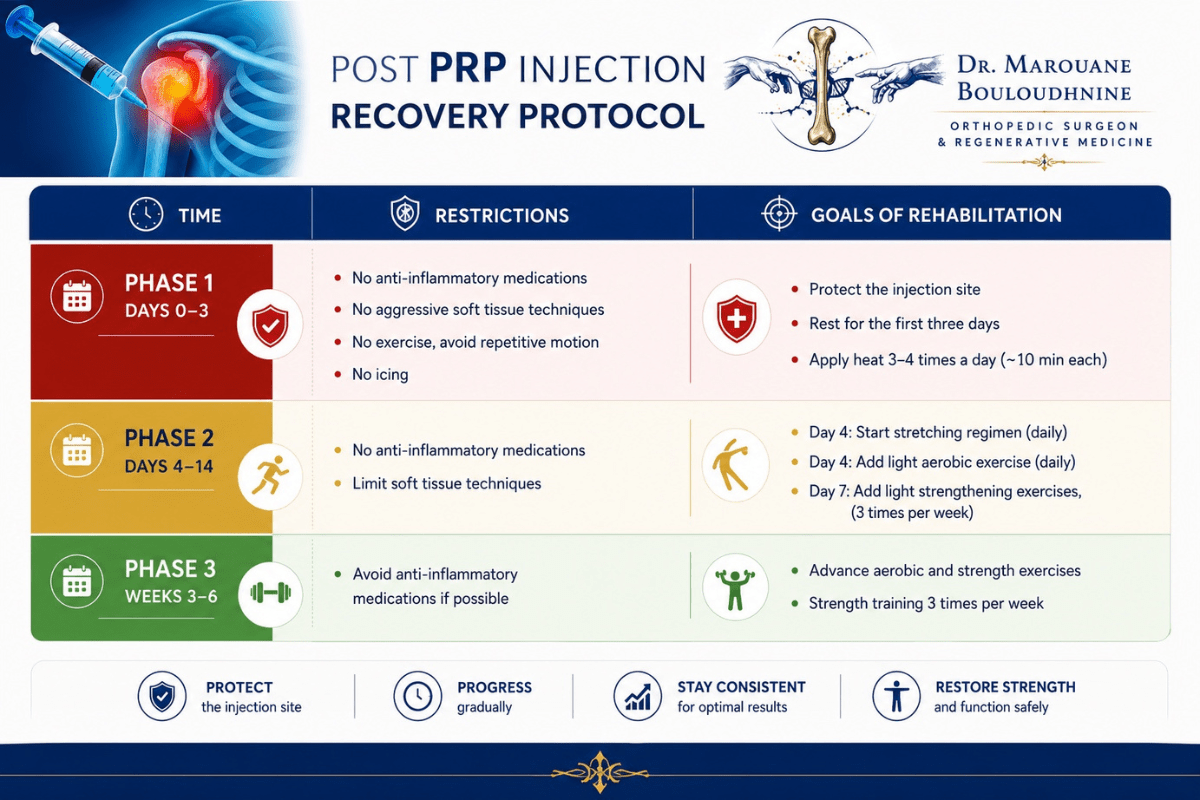
This is one of the most common questions patients ask.
PRP is not usually an instant pain-relief treatment. Some patients may feel improvement within a few weeks, while others notice gradual changes over a longer period.
A realistic recovery timeline may look like this:
Week 1 to 2: Early response
There may be soreness, stiffness or temporary discomfort. The body is beginning its healing response.
Week 4 to 6: Early improvement
Some patients start to notice reduced pain, better comfort or improved movement.
Week 8 to 12: More visible progress
This is often when patients feel a clearer difference in function, strength and day-to-day comfort.
After 3 months: Continued healing
Depending on the injury, progress may continue, especially when PRP is combined with the right rehabilitation plan.
This timeline varies from person to person. A tendon problem that has been present for many months will not always recover in a few days. The body needs time to remodel and repair tissue.
That is why honest expectation-setting is a key part of PRP Therapy Dubai consultations.
PRP and Regenerative Medicine: What Makes It Different?
Regenerative Medicine is changing how doctors think about musculoskeletal injuries.
For many years, the main focus was pain control. If a patient had pain, the goal was to reduce pain as quickly as possible. That is still important, of course, because pain affects sleep, work, activity and quality of life.
But pain relief is not the full story.
The real question is: why is the tissue painful in the first place?
Is there tendon degeneration? Is there inflammation? Is there poor healing? Is there repeated overload? Is there a movement issue? Is there an underlying structural problem?
PRP Treatment fits into this more modern way of thinking. It looks beyond symptom control and focuses on improving the healing environment.
This is especially helpful in conditions where tissue quality matters, such as tendon problems, ligament injuries and sports-related overload.
However, Regenerative Medicine should still be evidence-informed and carefully selected. The goal is not to follow trends. The goal is to make better treatment decisions.
PRP Is Not a Shortcut
It is important to say this clearly: PRP is not a miracle cure.
It will not correct every injury. It will not replace proper rehabilitation. It will not help if the diagnosis is wrong. It will not give the same result to every patient.
Patients get the best outcomes when PRP is part of a complete treatment plan.
That plan may include:
- Accurate diagnosis
- Activity modification
- Physiotherapy
- Strengthening exercises
- Load management
- Posture and movement correction
- Follow-up assessment
- Gradual return to sport or work
For example, if someone has tennis elbow and continues the same painful gripping or lifting pattern every day, PRP alone may not be enough. The tissue needs support, but the cause of overload also needs to be addressed.
This is why PRP Therapy works best when it is not treated as a single injection, but as part of a guided recovery journey.
Who May Not Be a Good Candidate for PRP?
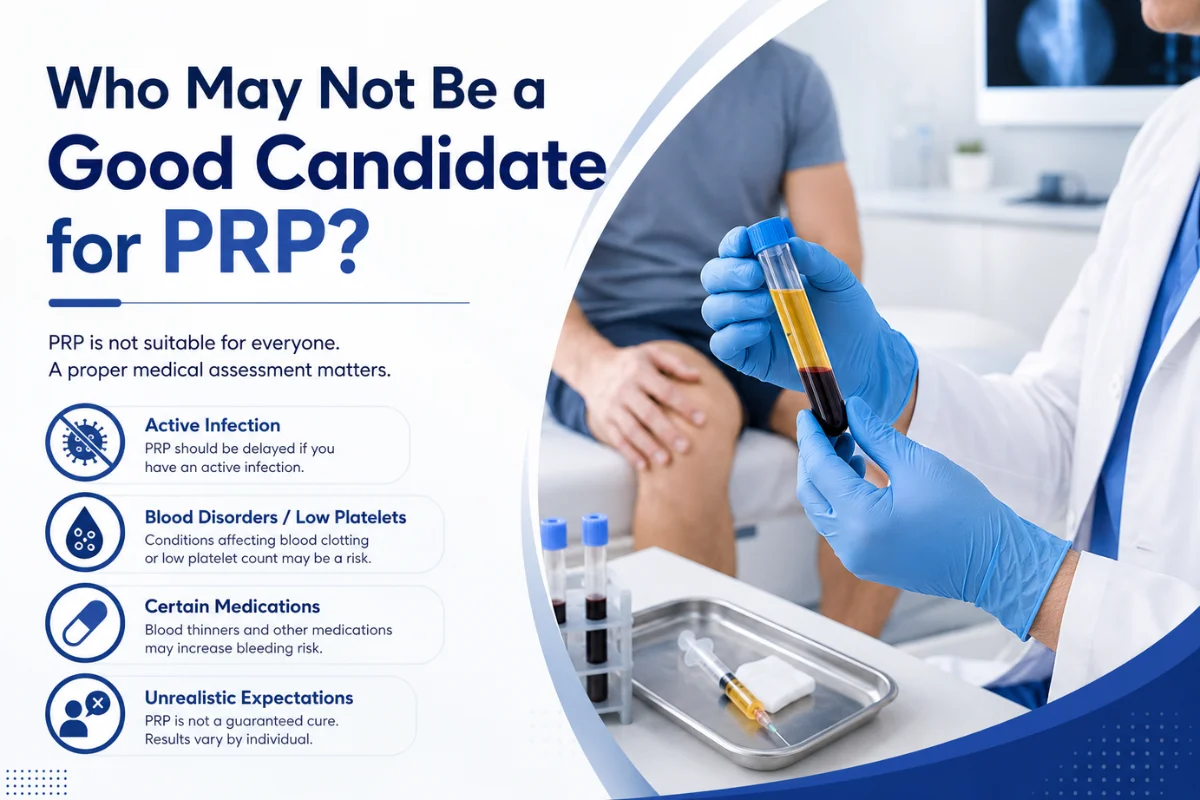
PRP may not be suitable for everyone.
A doctor may be cautious or may avoid PRP in certain situations, such as:
- Active infection
- Certain blood disorders
- Severe anaemia
- Very low platelet count
- Some medical conditions affecting healing
- Use of certain blood-thinning medications
- Unrealistic expectations
- Pain that does not match a PRP-suitable diagnosis
This is another reason why consultation matters. PRP Treatment should be personalised, not sold as a package.
What Should Patients Ask Before PRP Treatment?
If you are considering PRP Therapy Dubai, it helps to ask the right questions before starting.
Good questions include:
- What is my exact diagnosis?
- Is PRP suitable for my condition?
- What are the alternatives?
- How many sessions may be needed?
- What result should I realistically expect?
- How long will recovery take?
- Will I need physiotherapy afterwards?
- What should I avoid after the injection?
- When can I return to sport or training?
A good consultation should make you feel clearer, not more confused.
You should understand why PRP is being recommended, how it fits your condition, and what the recovery plan looks like.
Why PRP Should Be Done by the Right Specialist
PRP may sound simple because it uses your own blood, but the success of treatment depends on much more than the injection itself.
The doctor needs to understand anatomy, injury patterns, tissue behaviour and the reason behind the pain.
This is especially important in hand-to-shoulder conditions, where small structures can make a big difference. The wrist, elbow and shoulder are complex areas. Pain may come from tendons, ligaments, joints, nerves or a combination of factors.
A specialist assessment helps avoid treating the wrong structure.
For patients with upper-limb pain, choosing a doctor who understands the full hand-to-shoulder pathway can make the treatment plan more precise and more practical.
What Makes PRP Appealing for Active Patients?
Many patients interested in PRP are active people. They may be athletes, gym-goers, professionals, parents or people who simply want to stay independent and pain-free.
For them, the goal is not only to reduce pain. It is to return to function.
They want to lift, grip, train, drive, work, sleep and move without constantly thinking about the injury.
PRP Therapy may be appealing because it supports the body’s own healing process and may reduce the need for repeated short-term pain-control approaches in selected cases.
But again, the key is patient selection.
The right patient, the right diagnosis and the right follow-up plan matter more than the trend around the treatment.
What to Expect After PRP Therapy
After PRP Treatment, your doctor may ask you to rest the treated area for a short period. You may need to avoid heavy lifting, repetitive use or intense sport until the tissue settles.
Some patients are advised to avoid anti-inflammatory medication for a period, because the treatment is designed to stimulate a healing response. This should always be discussed with your doctor, especially if you take regular medication.
Recovery is usually gradual. You may be given a staged return-to-activity plan.
This may include:
- Gentle movement
- Controlled stretching
- Progressive strengthening
- Technique correction
- Sport-specific or work-specific exercises
- Follow-up review
PRP is not only about what happens on injection day. The aftercare is just as important.
Is PRP Worth Considering?
PRP may be worth considering if you have persistent tendon, ligament, joint or sports-related pain that has not improved with basic care, and if your doctor confirms that your condition is suitable.
It is particularly useful for patients who want a biological treatment option and are willing to follow the recovery plan properly.
However, PRP should not be chosen because it sounds advanced. It should be chosen because it makes sense for your diagnosis.
A good doctor will explain both the benefits and the limitations. That honesty matters.
Final Thoughts
PRP Therapy Dubai is becoming an important part of modern Regenerative Medicine, especially for selected hand, wrist, elbow and shoulder conditions where the goal is to support natural healing and improve function. At Dr Marouane’s Orthopedic clinic, patients can receive expert assessment and personalised guidance for PRP treatment. If you are experiencing persistent pain or recurring injuries, call +971 544 226 123 to book a consultation and take the first step toward an effective recovery plan with one of the leading orthopedic surgeon in Dubai.